
By JC Bowman and Karolyn Marino
Education statistics often show numbers in government reports: enrollment increases in some places, decreases in others, higher spending, and more degrees awarded. However, when we look at these figures together, they tell a bigger story about our economy, workforce, and communities.
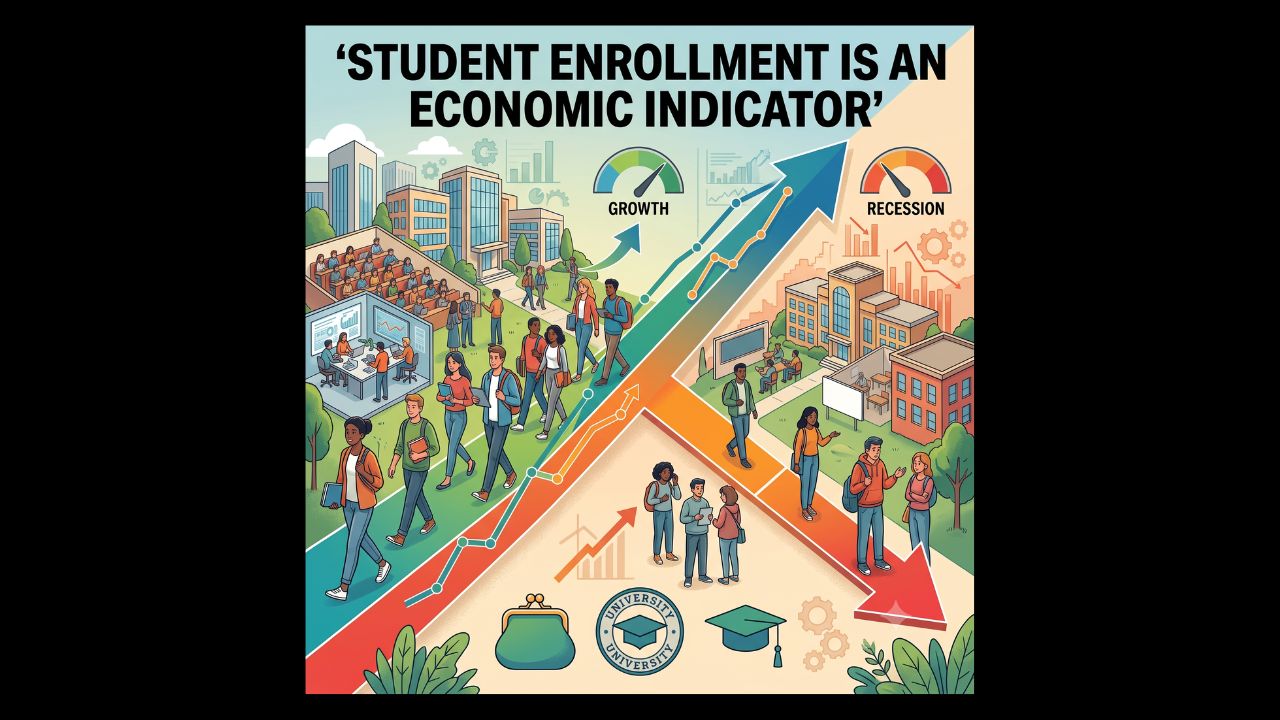
The connection between education and economic success is increasingly evident. Enrollment trends from preschool through postsecondary education indicate the preparedness of the future workforce. Engaged students benefit the entire community, while declining enrollment or disengagement can negatively impact the economy.
The latest national education data reveal that America’s declining birthrate is leading to lower student enrollment in many school districts. This trend doesn’t stem from families leaving public schools but rather from fewer children being born. It affects school funding, workforce planning, and long-term economic growth, ultimately impacting retirement and Social Security.
There is a growing trend in early childhood education, with enrollment for 3- and 4-year-olds increasing from 49% to 50% and for 5-year-olds from 85% to 86% between 2023 and 2024. While this one-percentage-point rise may appear slight, it highlights the increasing awareness of the importance of early learning, especially in public schools. However, we still need to ensure that all children have access to quality preschool programs.


Research shows that the academic benefits of preschool often diminish by 2nd grade, but children in high-quality programs are more likely to read well and graduate high school. In 2024, about 62% of children aged 3 to 5 were enrolled in preschool, with access depending on socioeconomic status. The aim is to support children from under-resourced backgrounds through rich language exposure, purposeful play, and supportive relationships, helping them develop critical skills for reading and math.

Public schools serve most of America’s children, but their enrollment has been slowly decreasing. From 2014 to 2024, the total number of public school students dropped from 50.3 million to 49.4 million, a decrease of about 2%. The pandemic worsened this trend, but we are starting to see stabilization, especially in high school enrollment.
These declines should be understood in a broader context. Today’s smaller kindergarten classes will lead to smaller graduating classes in the future. This creates difficult choices for school districts regarding hiring and budgets. Colleges and employers will compete more for the fewer young people entering the education system.
Total public education spending reached about $1.04 trillion in 2022-2023, funded by state (45%), local (42%), and federal (13%) sources. As federal pandemic relief funds expire, districts must reassess long-term spending plans. Tennessee’s school enrollment is stable overall, though some rural districts are experiencing declines.


Tennessee has invested in early literacy, career education, and workforce development. These investments demonstrate how education affects economic growth. Businesses now consider school quality before deciding where to invest.
Enrollment in undergraduate programs has declined by 5% since 2014, with only 18% of students in 2024 being first-time freshmen. Schools are facing rising costs and need to adapt their recruitment strategies and academic programs. The University of Tennessee System Board of Trustees has approved a framework to create reduced-credit undergraduate degrees, typically consisting of 90 credit hours, often referred to as three-year or “applied bachelor’s degrees.” We expect this to be replicated statewide.
This initiative is in the early development phase and currently lacks specific implementation details or licensure pathways. Financial aid plays a crucial role, as nearly 87% of first-time undergraduates receive support. However, changes to federal grants necessitate new strategies to enhance affordability and improve graduation rates.
Earnings data further underscores the connection between education and economic outcomes. In 2024, adults aged 25 to 34 with a master’s degree or higher earned a median annual income of about $85,800. Higher educational attainment is associated with higher earnings and lower unemployment.
A positive sign is that the share of young adults neither working nor in school has declined from 16% in 2014 to 13% in 2024. More young people are finding jobs or enrolling in school. This matters because education benefits individuals and communities by increasing workforce participation, boosting tax revenue, and improving public health.
Enrollment numbers play a vital role in shaping our future economy. Their significance cannot be overstated. With declining birth rates, each student becomes more valuable. It’s essential to provide all children with a K-12 education that prepares them for citizenship and careers. Tennessee faces this challenge but attracts employers in various fields. To sustain progress, we need graduates equipped with both knowledge and job skills.
Educational success is vital for economic development. Policymakers should invest in early childhood education, enhance public schools, recruit and retain teachers, and address achievement gaps. These actions will shape Tennessee’s workforce and economy. With a declining birthrate, education is an essential resource that prepares students for future challenges and opportunities.
JC Bowman is the Executive Director of Professional Educators of Tennessee.
Karolyn Marino is the vice president of Professional Educators of Tennessee.