
As we enter the final stretch to August 6 for the GOP primary battle in the sixth district, the attack ads have definitely moved to a different level of intensity. State Representative Johnny Garrett and former Congressman Van Hilleary are locked in what many observers believe is a tight contest, despite the absence of recent public poll data. A third contestant, Jon Henry lags far behind the other two in fundraising and paid media and is unlikely to overcome the financial and advertising gap in the final weeks. there has been a sudden flurry of endorsement announcements in some of the most-watched races.

There are several reasons that campaigns rely heavily on attack ads and spots hammering opponents with negative images and “facts”. First, and most important, they work. Although voters, along with candidates, regularly condemn the approach, the fact that tearing an opponent down is more effective in most cases than promoting the positive issues and credentials of a contender is the main reason campaigns devolve to attacks in the late stages of an election.
If one fairly well known or incumbent candidate has an “approval rating” below water it makes it even more likely that they turn to attack ads. Why? Once voters have formed an opinion it is easier to drive up the negative perception of an opponent than it is to change their minds and create a positive image about someone. It literally becomes easier to create fear or anger at an opponent than to rebuild trust and affection for yourself.
Second, lesser known candidates are particularly vulnerable to attack ads. Savvy strategists will try to develop a negative image or impression of an opponent before they can successfully introduce themselves to voters. Once that negative impression is formed it is very hard to overcome. That’s why you often see some leveling attack ads early in a campaign.


Finally, attack ads aired near the end of a campaign are a bit different, and usually more drastic. They may be dispatched because a campaign team’s polling shows the opponent has moved into the lead and voters need to be pulled away from them. Or, the other candidate may still be behind but gaining momentum that needs to be blunted. “Freezing” a lead can be the goal of late campaign ads that hit the opponent hard.
A third rationale comes when the “other side” launches an attack and it deserves a response. While “they hit me first” may not be the best explanation to offer voters, that rationale dates back to schoolyard scuffles and is still pretty acceptable justification in the political arena.


All of which gets us to the new exchange of harsh ads being thrown back and forth by Garrett and Hilleary. Garrett struck first with an AI generated commercial hitting “Van” Hilleary for a number of votes he cast while previously serving in Congress.
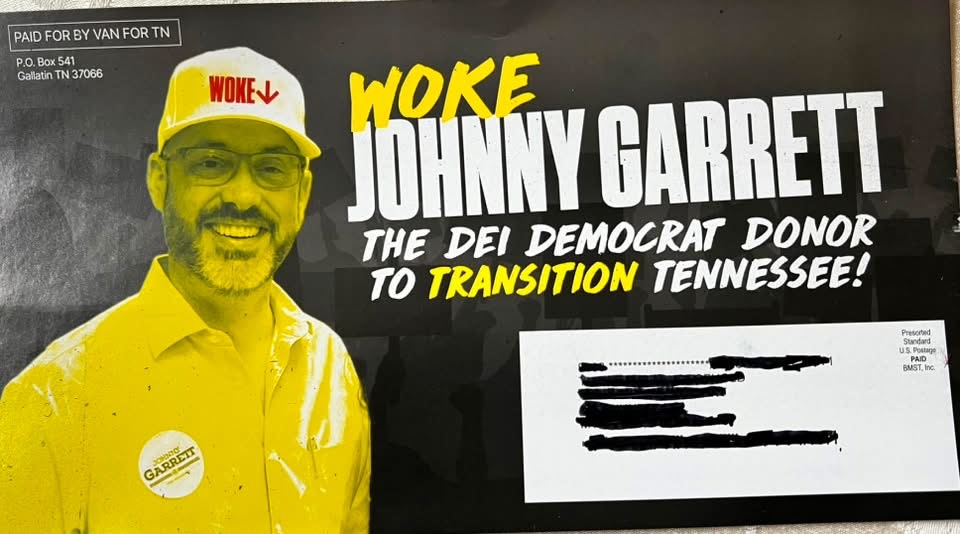
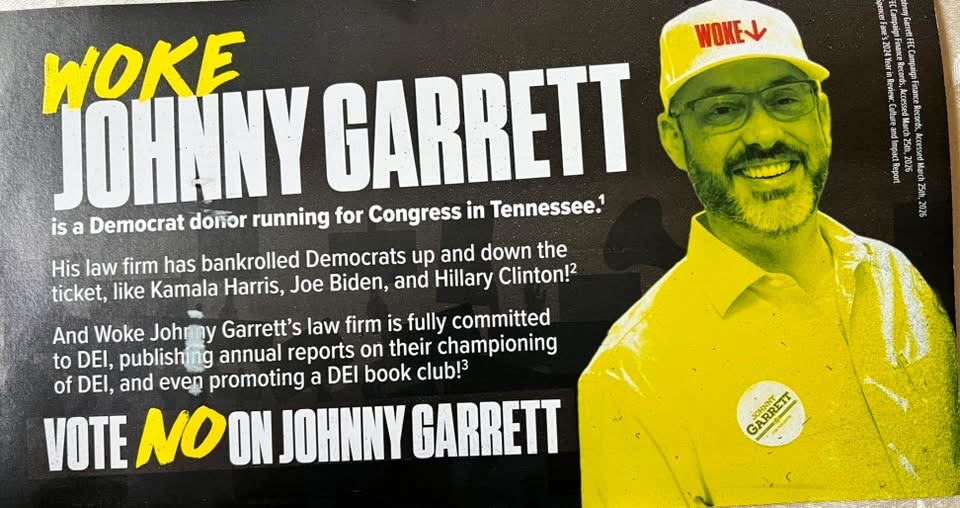
Hilleary’s team responded with a brutal spot claiming Garrett is promoting a liberal DEI woke agenda through donations and associations tied to his law firm. That ad could actually be seen as positive if it aired in a Democratic primary contest in a liberal district. In the conservative 6th district it is definitely not helpful to Garrett.
Like Garrett’s ad, Hilleary’s was AI generated. Neither ad contained a disclosure of the use of AI now required in state races since the campaign involves federal office.
Most tv attack ads are accompanied with a carefully timed mailbox bomb run using similar images or issues. The Hilleary team has relied on mail to underline the video attack. Campaigns often used coordinated radio ads as well.
In the remaining days heading to August 6 expect to see a lot more of the same, not only in the sixth district, but across the state in other races as well. In the meantime, hunker down and wait for a break in the storm clouds on August 7.
Steve Gill is editor and publisher of TriStar Daily.