
At a time when the line between personal expression and professional responsibility seems increasingly blurred, a principal in mid-state Tennessee serves as a cautionary example. This principal’s political comments on social media, although possibly well-intentioned, raise important questions about educators’ role in free speech, particularly regarding the First Amendment and the Little Hatch Act.
The principal should likely refrain from identifying the school or district where he is employed when making personal or political comments. He should also avoid mixing his school activities with political commentary. His political expressions should not interfere with his professional responsibilities. Please review the board policies and procedures.
Free speech is a powerful yet complex concept. For teachers, who are vital members of our society, this right includes the freedom to express their political opinions and participate in public discourse. The First Amendment of the United States Constitution provides robust protections for such expression, ensuring that individual voices can be heard without fear of reprisal.


However, interpreting and implementing these protections can be challenging, particularly for public employees such as teachers, who must navigate the delicate balance between their personal beliefs and their professional responsibilities. This nuance raises important questions about the limits and responsibilities of free expression in educational settings.

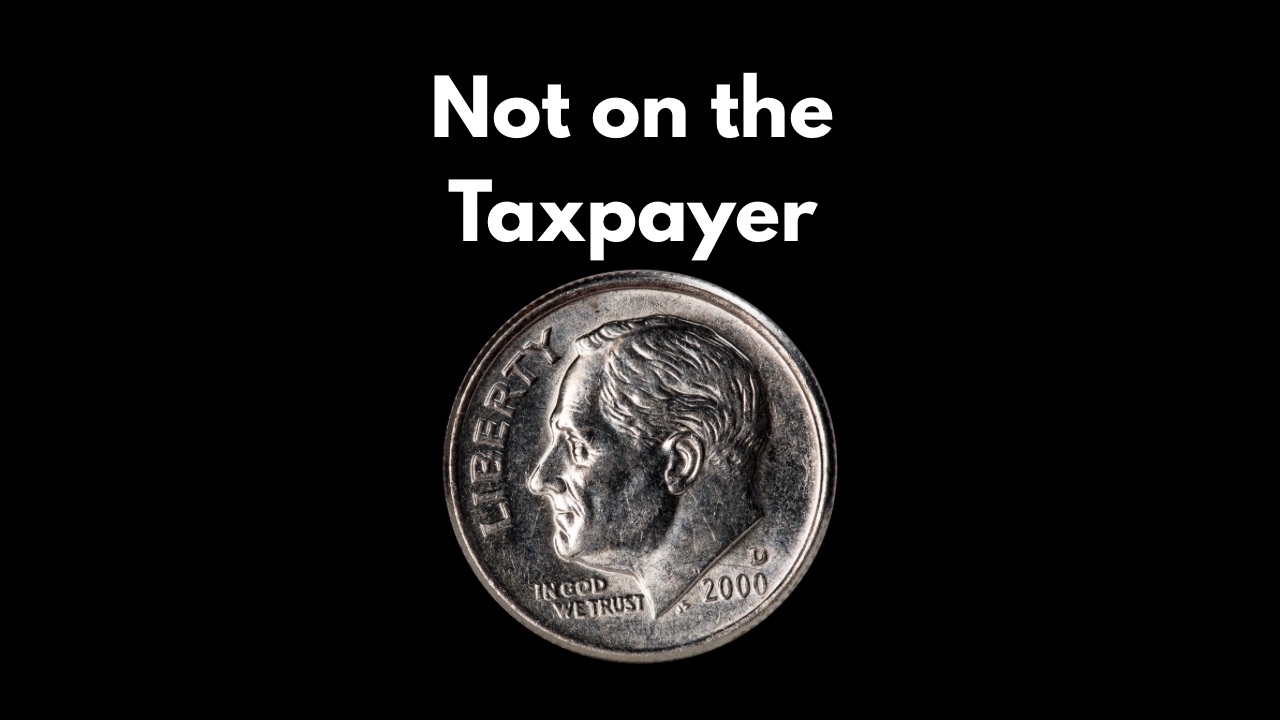
The easiest way to explain it: no politics on the taxpayer dime, or the taxpayer time. Here’s where the complexities arise:


- First Amendment Protections: While educators can freely express their opinions about public figures and issues, speech directly related to their job may not enjoy the same level of protection. This means that when a teacher voices a political opinion that touches on their role or the school environment, they tread on shaky ground.
- Understanding the Little Hatch Act: This Tennessee-specific law restricts certain political activities by state employees, including teachers. It aims to safeguard the integrity of public service by ensuring that political expression does not interfere with professional duties. Teachers are encouraged to familiarize themselves with state and federal regulations to avoid actions that could jeopardize their careers. It is unlawful for any teacher employed by an LEA during those hours of the day when the LEA requires the teacher to be performing school duties to: engage actively in a political campaign on behalf of any party, committee, organization, or agency; engage in a campaign for a candidate for partisan or nonpartisan public office elected by the people; attend political meetings or rallies; use the teacher’s employment to interfere with or affect the result of any regular or special primary election conducted within the state; perform political campaign duties or functions; or. A teacher on leave or during those hours in which the teacher is not required to perform school duties is not subject to the restrictions in subdivision (c)(2). No policy or rule of an LEA shall be more restrictive of the political activity of a teacher on leave or during those hours in which the teacher is not required to be performing school duties than those restrictions outlined in subsection
Given these complexities, it’s wise for educators to consult local legal experts or professional organizations like the Professional Educators of Tennessee. Tailored advice can help navigate the murky waters of political expression in an educational setting. Personally, I emphasize the importance of balancing personal beliefs with professional duties in today’s dynamic educational landscape.
For educators, engaging in political discourse is fraught with potential consequences. Here are some other critical points to consider:

- Risk of Disciplinary Action: Statements made in a professional capacity can lead to disciplinary action if they disrupt the school environment or conflict with educational responsibilities. The Supreme Court has established a “balancing test” to weigh an employee’s right to express opinions against the potential disruption. A two-step First Amendment test for government employees involves the following: Did the employee speak as a citizen on a matter of public concern? If the answer is no, the speech receives no protection. If the answer is yes, courts will balance the employee’s interest in the speech against the employer’s interest in maintaining workplace efficiency. Always review your school and district policies for guidance up front.
- Navigating Social Media: The digital age adds another layer of complexity. Teachers might think their social media accounts are private, but anything shared online can quickly spiral out of control. A seemingly harmless comment or a “like” on a controversial post can lead to significant backlash. Limiting access to one’s social media or being judicious about what is shared can help mitigate risks, but even this is not foolproof.
The community’s reaction often overshadows a teacher’s original intent. In many cases, it’s not about what was said but how it was received. Educators must remain acutely aware of their community’s standards and expectations. A teacher’s job could be at risk simply because of the public’s response to their words. Courts continue to vacillate as they weigh the value of speech against employer interests.
In today’s intense political climate, educators must choose their words carefully, as they can inspire, provoke, or harm careers. Understanding the implications of free speech and ethical guidelines is crucial to maintaining integrity and responsibility. The government should neither favor nor disfavor speech based on the speaker’s viewpoint, and any claims by employers that speech may disrupt operations must be supported by solid evidence, not speculation or personal disagreement.
As we continue to navigate these turbulent waters, let’s remember: the right to speak freely is a powerful tool, but with great power comes great responsibility. Choose wisely and tread carefully.
JC Bowman is the executive director of Professional Educators of Tennessee and Contributing Editor of TriStar Daily.