
Imagine a situation where a popular and very well-known U.S. Senator decides to seek the Governor’s office midway through their Senate term.The race begins with a huge name ID advantage for the Senator over a challenger with just a few years experience in elected office.
Early polls show at least a 30-40 point lead with only 25% undecided. The campaign and media “experts” declare the Senator’s primary and general victory to be “inevitable” because the lead is “insurmountable.”
Money floods in as donors give the Senator a gigantic fundraising edge. Endorsements pour in from members of the congressional delegation, influential mayors, legislators and local elected officials. Much of the talk centers on who the Senator will appoint to fill the vacant seat after they assume the Governor’s office, and prospects actively campaign for the Senator in hopes of currying favor and securing the nod.
But late in the primary season the race tightens a bit. Out of state PACs, independent expenditure groups and wealthy donors engage more aggressively in hopes of staving off an upset. Under increased pressure, the Senator’s campaign makes a few mistakes. The Senator is accused of not spending sufficient time talking to voters.
Finally, on primary election night the underdog challenger, dismissed and ignored for so long, surges to victory! And not narrowly…but by double digits!!
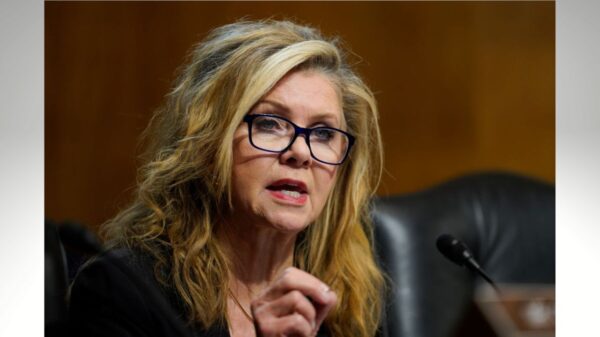
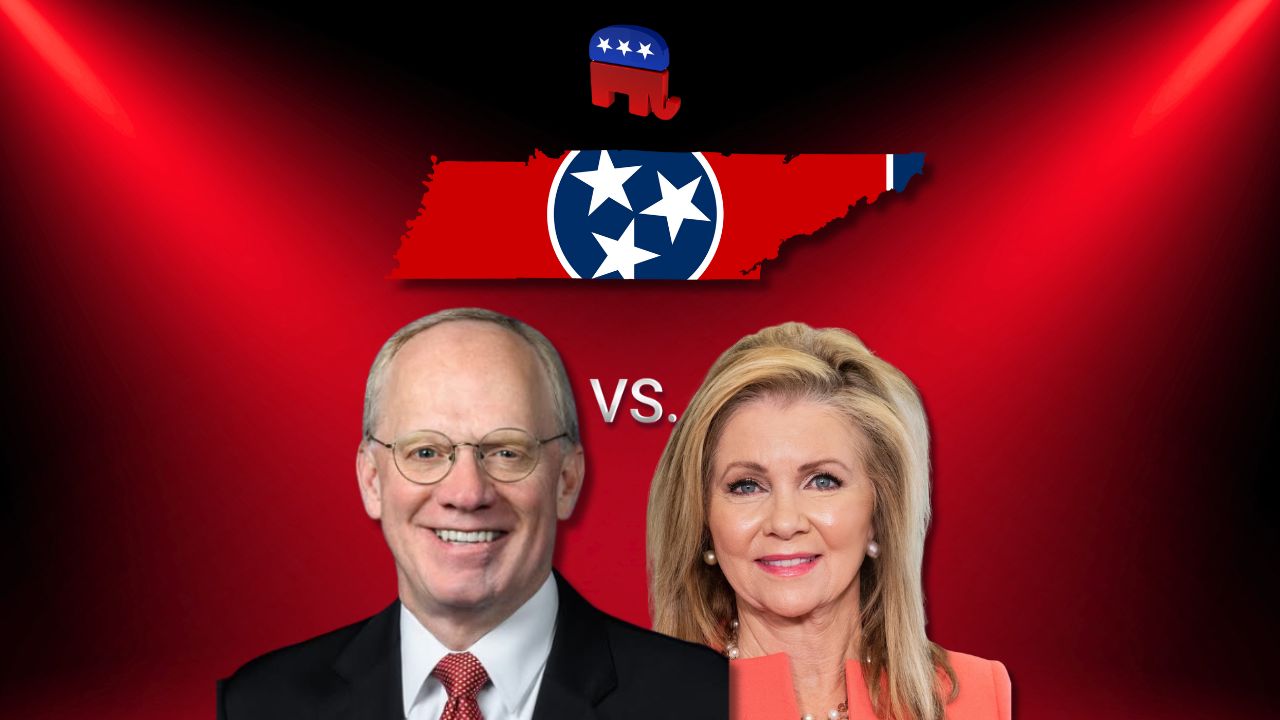
Is this the movie-scripted scenario that Congressman John Rose hopes will develop in his race against Senator Marsha Blackburn in Tennessee on August 6? Certainly, even if it remains an uphill battle.


But virtually that exact scenario has already just happened…in the Colorado Democrat primary for Governor between Senator Michael Bennet and Attorney General Phil Weiser! And the similarities to the Tennessee race are shocking.

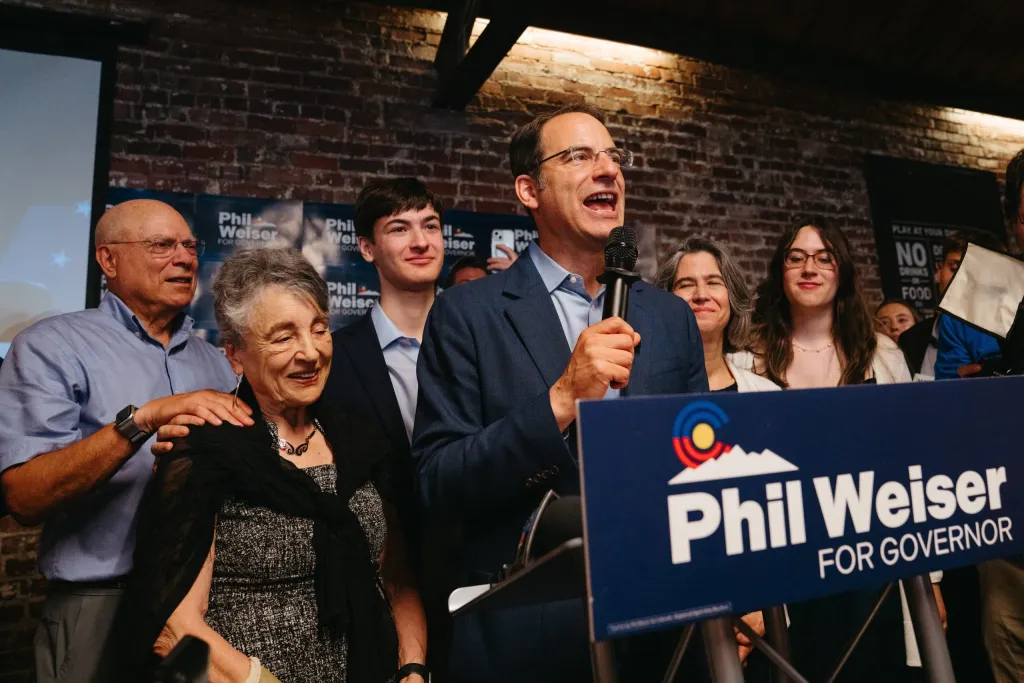
Despite all the advantages Bennet enjoyed as noted above, Weiser won by a 57-43 margin. Bennet still keeps his Senate seat at least until he faces reelection in 2028. Hmmm, sound familiar?
The winner of Colorado’s gubernatorial race this year will replace term-limited Gov. Jared Polis, a Democrat. Democrat nominee Weiser will be heavily favored to win in November as Republicans haven’t won a statewide race in Colorado since 2016. The last GOP candidate for governor lost by nearly 20 percentage points in 2022. Again, sound familiar? Just reverse the parties and think Tennessee.
When Bennet entered the Colorado governor’s race in April 2025, polling showed it was his to lose. Three of Colorado’s four Democrats in the U.S. House quickly got behind his campaign, as did Denver’s mayor and state legislative leaders. Kinda like Blackburn’s launch?


During his campaign Bennet failed to spend time directly interacting with voters on the campaign trail in Colorado because of his “responsibilities in Washington”. And voters never really felt that he’d answered the question of why he wanted to leave the Senate right after getting reelected in order to pursue becoming Governor, aside from personal ambition. Some voters also questioned why they should give up his seniority in the Senate by electing him governor. Is Blackburn answering these questions any better than Bennet did?
In June 2025, Bennet’s campaign released an internal poll showing Bennet leading Weiser by 31 percentage points, with only about 25% of the electorate undecided. Bennet’s lead at that time mostly had to do with voters’ familiarity with him compared to Weiser. You know, kind of like Blackburn’s huge initial name identification lead over Rose and polls fueled by that identification gap giving her a 50-point lead.
Weiser also overcame a mountain of spending on Bennet’s behalf by the super PAC Rocky Mountain Way. The group raised and spent about $11 million, including more than $5.1 million from former New York Mayor Michael Bloomberg. That money went toward attacking Weiser in TV and digital ads, as well as in mailers.
Like Bennet, Blackburn is spending much more than Rose. Blackburn has relied on massive spending from her Senate campaign funds to fund the initial months of her campaign.
She has also been aided by a PAC operated by her long-time political consultant, Ward Baker. Baker has been receiving huge consulting fees from Blackburn’s Senate and Gubernatorial campaigns, and also from PACs supporting her.
PACs such as the Tennessee Freedom Fund (tied to Club for Growth and out-of-state tech funders) and Americans for Prosperity are also supporting Blackburn. Many of Blackburn’s PAC funders are primarily interested in preserving and expanding Tennessee’s voucher program that pays for tuition at private schools across the state with taxpayer dollars.
The Tennessee Freedom Fund has already aired two attack ads against Rose. AFP is funding mail pieces and door-to-door efforts promoting Blackburn.

Do any of the startling similarities between the Bennet-Weiser race and Blackburn-Rose mean that Rose is poised to pull a similar upset in Tennessee? Probably not.
But it may indicate that words like “inevitable” and “insurmountable” should be viewed with a bit more skepticism as we roll into the final stages of the GOP primary in August. The race has tightened; it will likely tighten more. And Blackburn, like Bennet, could ultimately regret trying to sit on a lead.
Steve Gill is editor and Publisher of TriStar Daily.