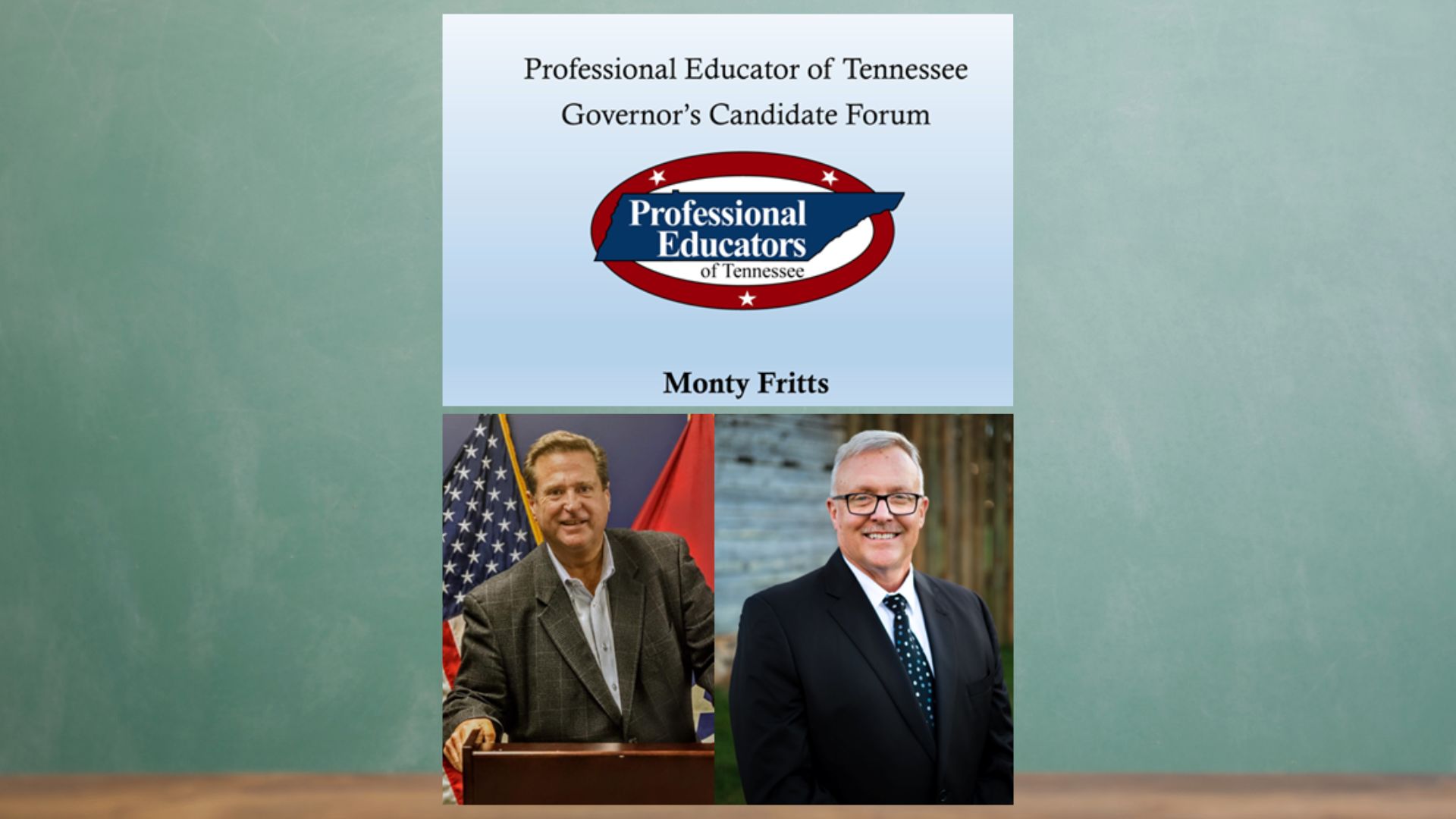

In the Governor’s race, State Representative Monty Fritts emphasizes the importance of education through his personal story. He underscores his strong belief in the power of education. He asserts that education is a key to unlocking opportunities, enabling individuals to reach their potential and positively impacting their communities. Fritts is committed to fostering an educational environment that paves the way for a brighter future for all Tennesseans.
During our conversation, Fritts articulated a vision grounded in traditional values, constitutional concerns, and the belief that Tennessee’s education system must return to fundamentals, including student achievement, teacher empowerment, parental responsibility, and principled leadership.
Fritts’ personal journey, from military service to diverse professional experiences, clearly informs his perspective. His life story strengthens his argument that education remains central to upward mobility and civic vitality. Like many Tennesseans, he views public education not merely as a government function but as a sacred public trust.
To his credit, Fritts acknowledges Tennessee’s progress. These accomplishments merit recognition. The state has made meaningful strides in expanding school-choice discussions, strengthening Career and Technical Education pathways, and broadening access to postsecondary opportunities at community colleges.


Yet Fritts contends that Tennessee now stands at a crossroads. His sharpest criticism is reserved for leadership at the Tennessee Department of Education and for policies he believes weaken public schools. He supports parental choice but opposes taxpayer-funded vouchers, a defining position. He argues that public dollars should be dedicated to strengthening public education rather than to subsidizing private alternatives.

That stance will resonate deeply with rural communities and public school advocates who fear the diversion of scarce resources. At the same time, it will almost certainly draw opposition from school choice supporters who view vouchers as an expansion of parental freedom.
His skepticism toward excessive standardized testing also taps into a growing national frustration. Teachers and families increasingly question whether over-testing truly serves students or merely sustains bureaucratic accountability. Fritts’ call for more practical, meaningful assessments reflects a broader sentiment that Tennessee must strike a healthier balance between accountability and genuine educational excellence.


Perhaps most compelling is his emphasis on restoring teacher autonomy. Across Tennessee, educators often express frustration with top-down mandates, administrative overload, and constantly shifting policy expectations. Fritts’ argument—that teachers should be trusted, respected, and empowered—resonates with a longstanding call from within the profession.
Fritts’s focus on parental responsibility and student discipline also reflects concerns shared by many communities. Education cannot function effectively in isolation. Schools, families, and communities each have essential responsibilities for creating environments where children can flourish.
Still, bold convictions alone are insufficient. Voters are right to expect detailed implementation plans. Eliminating voucher programs, reforming testing systems, and restructuring state leadership require more than campaign rhetoric; they demand thoughtful policy design, coalition-building, and fiscal discipline.
Tennessee’s next governor will face immense challenges: workforce readiness, teacher shortages, literacy outcomes, school safety, and the delicate task of balancing innovation with constitutional responsibility. Monty Fritts entered the debate with a firm philosophy and a willingness to challenge prevailing orthodoxy.
His vision’s success in gaining public support will depend on his ability to translate deeply held principles into effective governance. He must clearly communicate his beliefs and demonstrate how they can be implemented in practical ways that address the public’s needs, thereby fostering trust and engagement within the community.
Tennessee’s educational future clearly requires robust discussion, strong leadership, and steadfast dedication to students. Monty Fritts has contributed an important perspective to this dialogue, and voters are likely to give his proposals the careful attention they warrant.
JC Bowman is the executive director of Professional Educators of Tennessee.