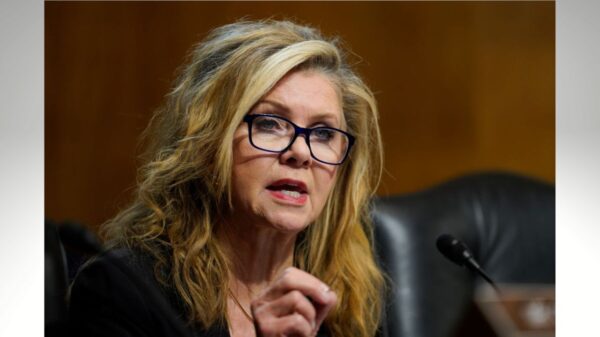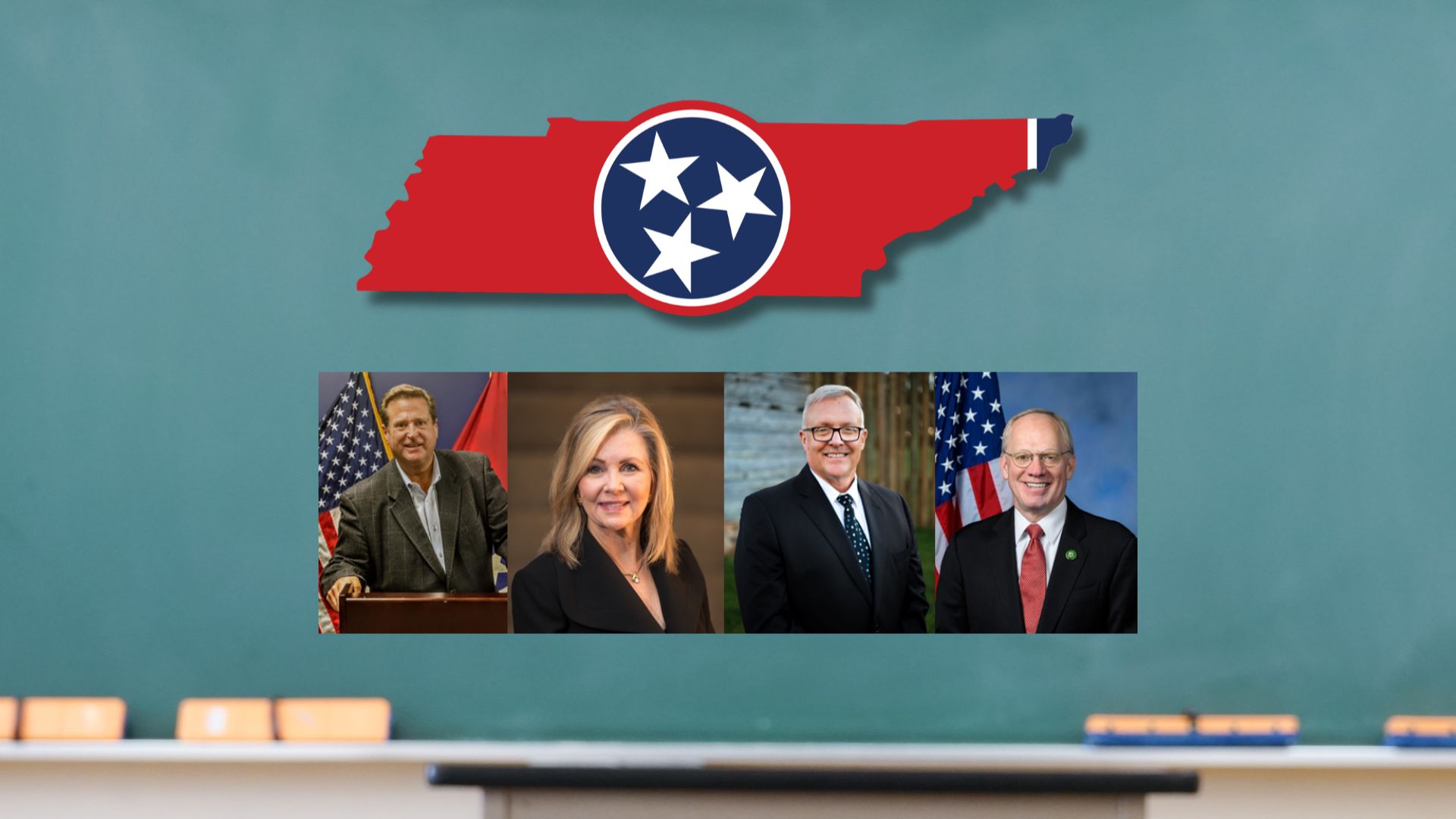

I interviewed the top candidates for Tennessee’s next governor. Other candidates were invited, but only three accepted. Each was thoughtful, professional, and deeply engaged with the issue of education—an encouraging sign in a political climate often dominated by spectacle rather than substance.
Education has become a central focus in Tennessee’s gubernatorial race, and that importance is well justified. The state’s future depends not only on economic growth or political leadership but also on whether Tennessee can develop informed citizens, skilled workers, and strong communities through its schools. In their own ways, Monty Fritts, John Rose, and Marsha Blackburn recognize this truth. Yet their approaches reveal meaningful differences in philosophy, governance, and priorities.
Monty Fritts: Tradition, Public Trust, and Educational Stewardship
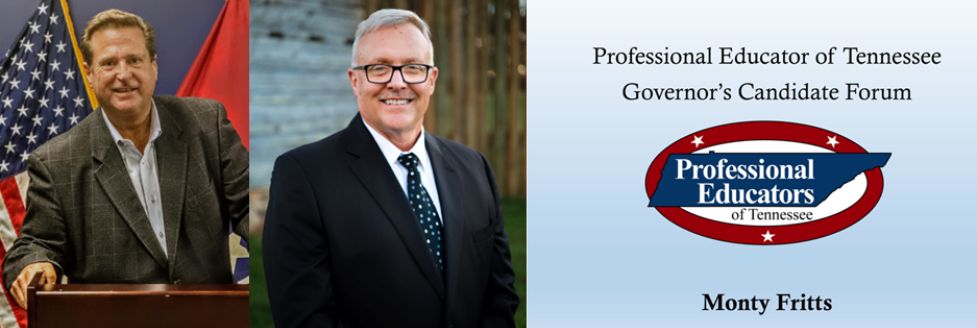
Monty Fritts grounds his educational vision in the conviction that public education is not merely another government service but a public trust—an institution essential to preserving civic virtue and expanding opportunity. His platform emphasizes:
- A return to traditional educational values centered on academic achievement, teacher support, and parental responsibility.
- Strong opposition to taxpayer-funded voucher systems, particularly out of concern that such policies could weaken already-strained rural public schools.
- A reduction in excessive standardized testing, replacing bureaucratic compliance with assessments that genuinely serve students and teachers.
- Expanded teacher autonomy, with less interference from top-down mandates.
Fritts clearly understands the frustrations many Tennesseans feel toward educational bureaucracy. His message will resonate with voters who believe schools should reflect community values rather than distant policy experiments. Still, rhetoric must eventually give way to execution. Workforce development, teacher shortages, and uneven student outcomes require practical solutions alongside philosophical clarity.
John Rose: Conservative Reform Rooted in Stability and Localism
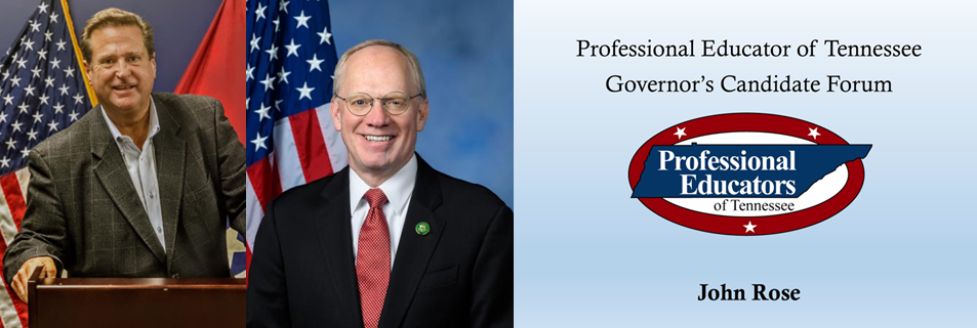
Congressman John Rose offers a more measured approach, one grounded in both respect for Tennessee’s educational progress and a belief in conservative governance principles. His priorities include:
- Recognizing the state’s educational gains over the past twenty years while building on that momentum.
- Recruiting and retaining high-quality teachers through better compensation and policy consistency.
- Strengthening local control, ensuring communities retain meaningful authority over their schools.
- Prioritizing school safety and discipline as foundational to student success.
Rose’s vision reflects a traditional Tennessee conservatism—one that values prudence, community leadership, and institutional stability. He appears less interested in sweeping ideological transformation and more focused on reinforcing what works while addressing persistent weaknesses. The challenge for Rose, however, is moving from broad conservative principles to specific reforms capable of meeting rapidly changing educational demands.
Marsha Blackburn: Flexibility, Innovation, and Expanded Choice
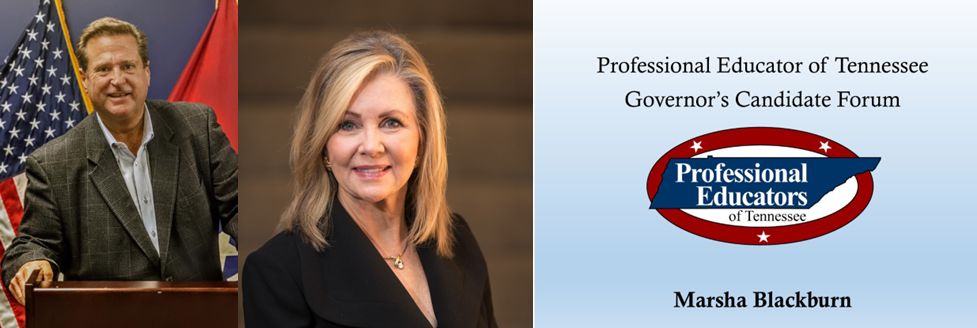
Senator Marsha Blackburn brings perhaps the broadest policy framework, shaped by her national political experience and emphasis on educational flexibility. Her agenda centers on:
- Personalized learning models that acknowledge students learn differently.
- Greater parent and teacher freedom paired with accountability.
- Enhanced collaboration among parents, educators, and lawmakers.
- Expanded vocational and technical education opportunities to prepare students for multiple career pathways.
Blackburn’s proposals are appealing to many families looking for alternatives to rigid educational systems that could better prepare children for college and careers. Her focus on school choice and innovation addresses concerns about adaptability. However, the success of these proposals will depend on effective implementation and of managing unexpected consequences. Factors such as funding, administrative feasibility, and measurable results will be crucial in determining their potential for transformation.
The Larger Question
Though these candidates differ in emphasis, all three demonstrate a serious commitment to public education. That alone is noteworthy. Tennessee voters are not merely choosing among personalities; they are choosing between competing visions for the future of the state’s children. A simple analysis of differences:
- Fritts calls for tradition and public trust.
- Rose champions stability and local control.
- Blackburn advocates flexibility and educational choice.
These are not minor distinctions. They reflect deeper debates about the purpose of education: Is it primarily about preserving foundational values, maximizing local governance, or adapting to students’ individual needs in a changing economy?
As our citizens consider their options for Governor, they should look at policy specifics, fiscal responsibility, and effective implementation. It will matter who the next Governor appoints to lead education in our state, and the hope is that the appointee is someone from within Tennessee’s public education system and well-versed in our educational history.
The future of Tennessee’s schools—and, by extension, of Tennessee—depends on whether educational leaders can move beyond campaign rhetoric to deliver meaningful, sustainable education for the next generation of Tennesseans. Citizens should choose at the ballot box which vision best meets their needs.
JC Bowman is the executive director of Professional Educators of Tennessee.