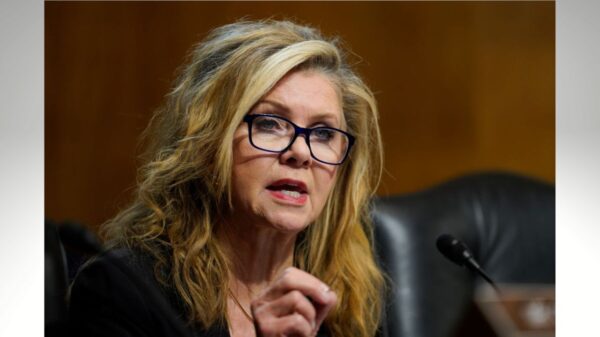

During my interview with Senator Marsha Blackburn, it was clear she is passionate about education, and if she becomes Tennessee’s governor, education will be central to her administration. Her vision aligns with a growing national movement to empower states with greater control over education.
At the heart of Blackburn’s approach is a simple yet essential truth: no two children learn the same way. Tennessee’s educational system, she argues, must do more to recognize and respond to those differences. Her focus on personalized learning taps into growing frustration among parents and educators who believe that rigid, one-size-fits-all models too often leave students behind.
By championing individualized pathways—whether through traditional academics, specialized learning plans, or expanded enrichment opportunities—Blackburn aligns herself with those calling for a more adaptive and responsive educational system. She advocates a system that prioritizes parental involvement, grants teachers the flexibility they need, and centers on each student’s unique needs.
Equally significant is her support for teacher autonomy. For years, Tennessee educators have raised concerns about bureaucratic overreach, burdensome mandates, and reduced classroom flexibility.


Blackburn’s promise to empower teachers with greater freedom to innovate could resonate deeply across the state. Teachers perform best when they are trusted as professionals rather than managed as functionaries. Yet freedom, while essential, must be paired with clear accountability. Classroom innovation should be encouraged, but always in service of measurable student achievement.

Her emphasis on collaboration among parents, educators, and lawmakers is also noteworthy. Education policy too often becomes another casualty of political tribalism, shaped more by ideological battles than by practical realities. Blackburn’s call for broader cooperation recognizes that sustainable educational progress will require genuine partnership. Tennessee’s future depends not on partisan victories but on thoughtful reforms forged by those most invested in children’s success.
Blackburn also directly enters one of Tennessee’s most enduring educational debates: access. Her assertion that no child’s future should be determined by zip code reflects growing support for school choice and expanded educational opportunities.


To supporters, this represents empowerment for families trapped in underperforming systems and recognition of students’ individual needs. To critics, it raises legitimate concerns about public school funding, accountability, and oversight. As always, the challenge is balance—expanding opportunity without undermining the public institutions that continue to educate the vast majority of Tennessee’s children and that are a constitutional obligation.
Her commitment to data transparency is another strength. Honest assessments of educational outcomes are essential for long-term improvement. Parents deserve clarity about how well their children are performing. Teachers deserve actionable feedback. Policymakers must resist the temptation to manipulate statistics for political gain and commit to transparent reporting that serves the public good.
School safety remains another pillar of her education agenda, and understandably so. Blackburn’s support for School Resource Officers and practical security measures addresses families’ concerns as they increasingly view school safety as foundational. But true security extends beyond physical protection. Any serious safety agenda must also prioritize mental health resources, early intervention, and preventive strategies to address threats before they escalate.
Perhaps most compelling is Blackburn’s support for vocational and technical education. In an economy increasingly reliant on skilled labor, Tennessee cannot afford to treat a four-year college degree as the sole path to success. Expanding career and technical education pathways reflects both economic realism and educational fairness. It offers students practical alternatives that are often better aligned with workforce demands and personal aspirations.
Ultimately, Blackburn’s education platform offers an ambitious framework grounded in local empowerment, parental choice, workforce readiness, and institutional flexibility. While many of her proposals will invite vigorous debate, they address concerns shared by a broad cross-section of Tennessee families.
Still, as with any political agenda, implementation matters more than aspiration. Voters and educators alike must carefully examine how these priorities would be funded, implemented, and measured. Vision is necessary, but results are decisive.
Blackburn has made a significant contribution to the educational debate in Tennessee. Whether her proposals will achieve their intended goals remains an open question. Still, her emphasis on reform, adaptability, and opportunity ensures that her priority as Governor will be shaping the future of Tennessee’s education.
JC Bowman is the executive director of Professional Educators of Tennessee.