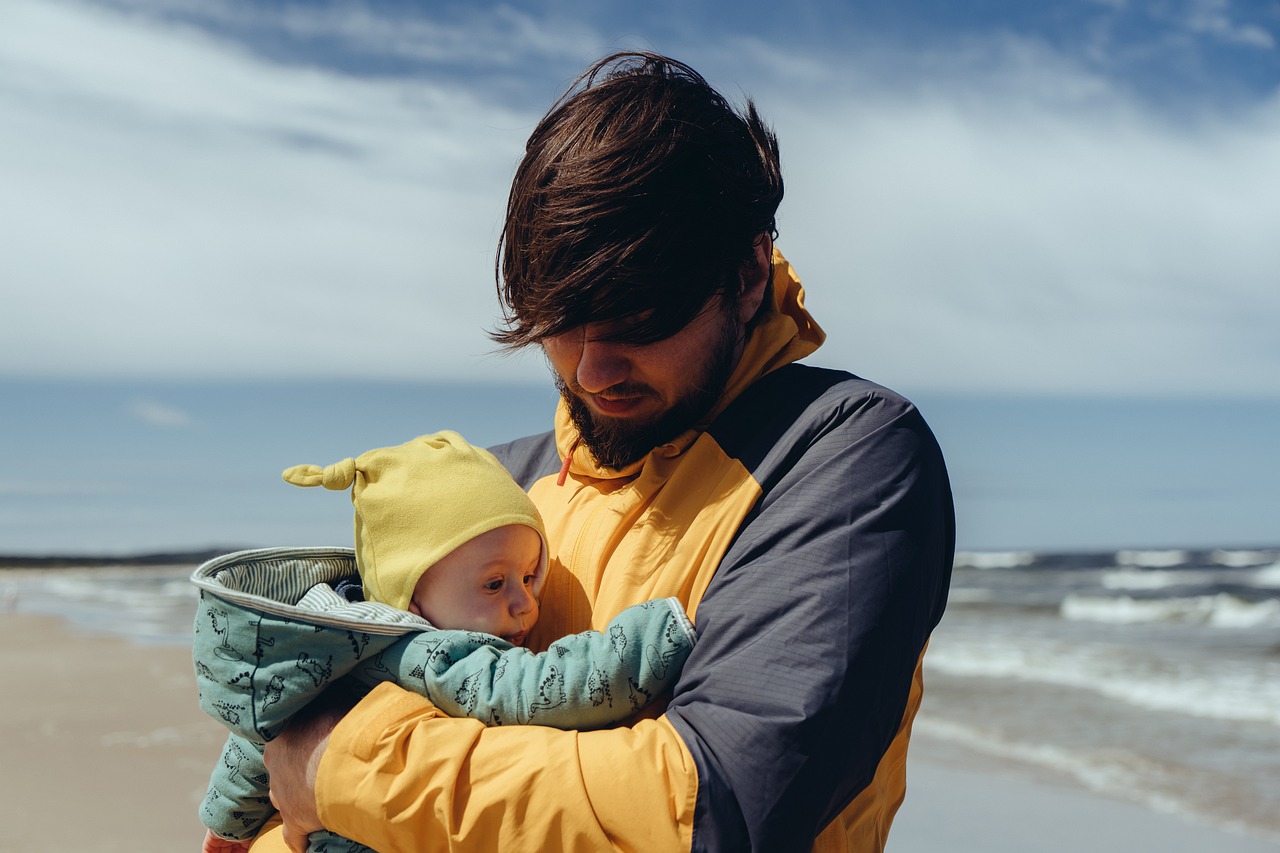

Fathers play a crucial role in children’s lives. Their presence is important for children’s emotional, social, and mental growth. Research shows that fathers make unique contributions that are often overlooked in parenting discussions. Amid changing family structures, the significance of fathers remains strong yet is often overlooked.
Fathers play with their children in ways that help both their bodies and minds. This play goes beyond just throwing a ball in the backyard; it teaches kids to test their limits, understand risks, and build toughness. Energetic roughhousing, often seen as just play, is vital for a child’s development. It helps kids learn to fall and get back up, both physically and emotionally. Research shows that kids who participate in this kind of play become better at solving problems and managing their feelings.
Having a strong bond with fathers is linked to many positive emotional benefits. On the other hand, children without a positive male role model may face a higher risk of anxiety, depression, and behavioral problems. Without a father, life can feel unstable, like a ship without an anchor. A father’s presence provides a unique form of emotional support that helps children cope with life’s challenges. It also teaches them responsibility and perseverance, which are valuable skills as they grow up.
Fathers play a vital role in teaching boys about healthy masculinity. They demonstrate how to be reliable, caring, and strong. Engaged fathers provide a positive example that emphasizes emotional awareness and responsibility. This guidance helps boys navigate societal expectations and shape their identities.


The absence of a father can have lasting effects on adulthood. Research shows that children who grow up without a father often have trouble forming healthy relationships, are more likely to face mental health challenges, and may experience financial difficulties. They might continue the cycle of father absence, making it hard to break this pattern that can last for generations. This highlights the importance of taking steps to encourage fathers to be involved in their children’s lives.

While the statistics can be daunting, there’s a silver lining to this conversation. Many children from single-parent homes thrive, often due to strong maternal figures or supportive community networks and schools. However, the path to resilience and success is often paved by intentional strategies to increase father involvement.


Here are some practical approaches:
· Father Engagement Programs help men connect more with their children. The National Fatherhood Initiative provides useful resources and training that highlight the importance of being an active parent.
· Mentorship Programs such as Big Brothers Big Sisters connect children with positive male role models. These mentors provide guidance and support, helping to fill the gap left by absent fathers.
· Community support networks, churches, and local groups can create a welcoming place for children. These places help kids build social skills and emotional strength through after-school programs and fun activities. Boys & Girls Clubs of America (BGCA) helps kids and teens across the U.S. and on military bases. It serves over 4 million youth annually through 5,500 local Clubs, providing safe places, caring mentors, and programs for school success, leadership, and health.
· Educational institutions should establish counseling services and parental engagement programs to support children from father-absent homes, ensuring that every child has access to the resources they need. Programs like a Father Friendly School actively welcome and include fathers and father figures—such as grandfathers, uncles, and mentors—as valued members of the school community.
The discussion about fatherhood is not just about missing fathers; it’s also about highlighting their importance and pushing for policies that help fathers get involved. Communities, schools, and families need to work together to create environments that support fathers in their roles. Every child deserves the opportunity to shine, and when a father is actively involved in their life, that future becomes even more radiant.
We must create a culture that values and supports fatherhood. It’s not just about having a dad around; it’s about how well he engages with his child. In the end, every child needs a father—not just as a figurehead, but as an active part of their life journey. Being a father is an incredible journey that requires courage, dedication, and love. Embrace your role and make a lasting impact on a child’s life.