The people have voted. We congratulate those who won and thank everyone willing to put their name on a ballot. Running for public office takes courage. Governing requires judgment, humility, and a willingness to listen after the campaign signs come down.
For Tennessee educators, the question now is straightforward: What will our elected leaders do to help us teach and help our students learn?
That should guide the education debate in Nashville and Washington. Political victories bring authority. They also bring responsibility. A majority gives a party the ability to act, but it does not relieve its leaders of the obligation to listen.
The new balance of power in Washington will shape federal education debates. Marsha Blackburn’s election as governor opens a new chapter in Tennessee. Both developments deserve attention. Neither changes the daily responsibilities waiting inside our schools.
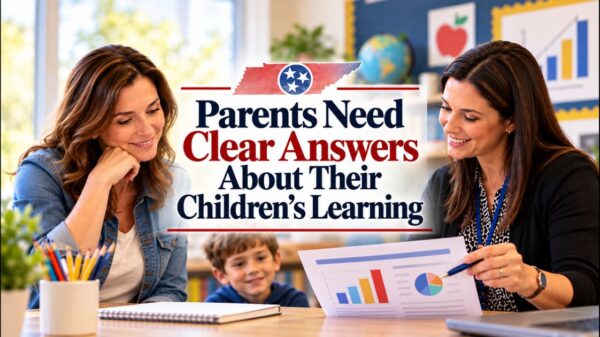
Teachers still need orderly classrooms. Students still need strong instruction. Families still need clear answers about their children’s progress. School leaders still need qualified applicants when a position opens and dependable substitutes when a teacher is absent. Those needs should become the agenda.
Tennessee cannot put its education responsibilities on hold while Washington argues. State leaders make consequential decisions about school funding, teacher compensation, licensure, discipline, and accountability. They should begin by listening to the people responsible for making those policies work.
Educators can explain where requirements overlap, where paperwork consumes instructional time, and where well-intended policies produce unintended consequences. Their experience belongs at the beginning of policymaking, while changes are still possible.
Our priorities should be practical. Support teachers when serious behavior disrupts learning. Strengthen the substitute teacher pipeline. Address shortages in special education and other difficult-to-staff positions. Examine compensation, benefits, and working conditions together. Give families understandable information about student achievement.
In fact, we expect accountability questions on vouchers to increase at the state and federal level with proven measurable data. Three things now land on the newly Governor-elect Marsha Blackburn’s desk: naming the next TDOE commissioner, the TISA committee’s $233M ask we requested, and the salary schedule running out in her first year. These challenges will require sustained attention after the excitement of the election fades.
In Washington, divided government will bring greater scrutiny of federal education decisions. Oversight can serve the public when it asks clear questions: Was the law followed? Were resources used responsibly? Did administrative changes interrupt services? Are students receiving the support Congress intended?
The same standard should apply to spending. A larger appropriation is a promise to use our resources well. Likewise, any reduction is a decision with consequences that should be explained by policymakers.
Tennessee should evaluate federal proposals by their classroom value. Will the money improve instruction, strengthen services for students with disabilities, or help schools keep effective educators? What conditions go with it? Can districts sustain the commitment when temporary funding ends?
Local control carries an obligation to prove results and account for resources. Federal support carries an obligation to provide clear rules and predictable administration.
The federal scholarship tax credit will also draw attention as its 2027 launch approaches. Families deserve clear explanations of eligibility, approved organizations, and allowable educational expenses, including opportunities available to public-school students.
They also deserve an exact description between the law currently in place and predictions about what Congress might change. Political uncertainty should prompt careful communication. Families and nonprofit organizations need reliable information before making commitments.
Whatever happens to that program, Tennessee’s responsibility to its public schools continues. Most families depend on those schools. Their children deserve safe classrooms, capable teachers, and meaningful opportunities to succeed.
Agreement is possible across party lines. Parents want their children to read well, think clearly, and graduate prepared for adult responsibilities. Teachers want to teach effectively and return home knowing their work mattered. Taxpayers want honest accounting and evidence that public commitments are producing results.
Professional Educators of Tennessee will work with leaders willing to advance those goals. We will support sound proposals, raise concerns when necessary, and judge policies by their consequences for educators and students.
That is what voters expect and society requires. The standard should remain consistent regardless of which party holds the majority or whose name is on the governor’s door. Educators have little time for political theater that leaves the underlying problems untouched.
The campaign is over. The classroom work continues every morning. The election has settled who will serve. What these policymakers do for Tennessee’s children and educators is the work ahead of them.
JC Bowman is the executive director of Professional Educators of Tennessee. He is a contributing editor to TriStar Daily.