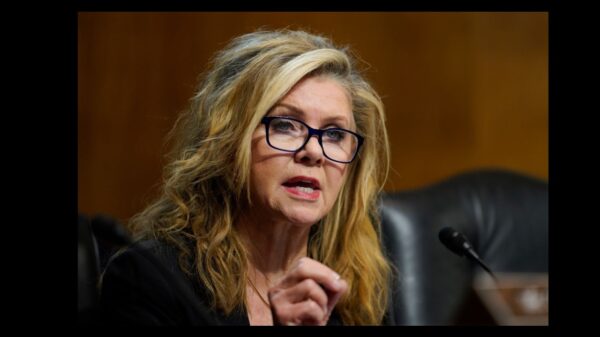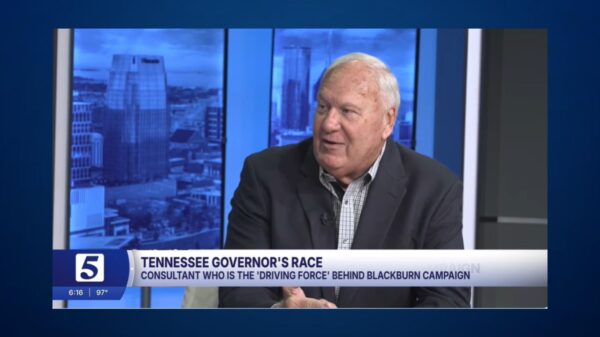

Polling released by the Marsha Blackburn campaign a week before the August 6 primary date showed Blackburn with a 17-point lead in the Republican Party gubernatorial primary.
The internal poll conducted by Fabrizio, Lee and Associates for Blackburn found her polling at 42 percent, with U.S. Representative John Rose and State Representative Monty Fritts “distantly behind,” respectively polling at 25 percent and 22 percent. Fabrizio is one of the best, and as the Blackburn team pointed out, is one of Trump’s preferred pollsters.
The poll was pretty accurate regarding Blackburn, despite her supporters claiming it vastly understated her support. She finally tallied about 43%. Arguably she gained a point in the final week, based on her own polling.



Rose, again based on Blackburn’s pollster, picked up 8 points in the last week, finishing at about 33%. A loss is a loss. But the momentum the Rose team was claiming to have was actually real. The issue, as observers consistently pointed out, was that Rose did too little too late. The polling seems to prove it.
Fritts support stayed flat, picking up a point in the waning days. Another week and he likely would have suffered slippage benefitting Rose as the media across the state gave his campaign more coverage.


The bottom line is that virtually every other poll was inaccurate, some perhaps intentionally. Political polls miss momentum as they are a snapshot that lags a few days behind where votes are moving. The late shift in “undecideds” are particularly difficult to calculate as they are both choosing who to vote for or whether to vote at all. That’s not a phenomenon limited to Tennessee’s political landscape.
There is no denying that Blackburn prevailed, although she squandered a 50 point lead down to a 10 point victory, based upon the pronouncements of her own campaign. She and Rose could have both done things differently that might’ve changed the result or the margin. That’s not a criticism of either campaign, it’s just a recognition of reality. Political practitioners in Tennessee should, and will, review the “game films” of the 2026 primary to glean lessons that can be applied to future races, even if they keep those assessments to themselves. Our assessments will continue to be fair, fact-based and transparent.
But for voters, one important lesson should be to be skeptical of polls. Very skeptical. In the absence of access to the “cross tabs” and detailed information regarding the composition of the polling, the source of the polling, and the details a campaign decides to keep confidential even when releasing an internal poll publicly, voters should double down on their doubts since those are all red flags to a polls being used to manipulate public opinion.
All of that is part of the “game,” which is why voters need to be fully aware of how that game is actually played and which, if any polls to pay attention to.