
I hate cancer.
It killed my grandmother. I have never had cancer myself, and for that I am deeply grateful. But recently, high white blood cell counts led my doctors to refer me to oncology. That experience introduced me to a world I had never really seen before.
As I sat in the waiting room of an oncology clinic, I noticed something that had little to do with the medical charts, machines or medications. The atmosphere was heavy. Not simply because of the smells and sounds of a medical facility, but because of an unspoken loneliness that seemed to surround so many people in the room.
Cancer does not merely attack the body. It can invade the soul.
I watched people sit quietly, lost in their thoughts. I heard occasional conversations and an occasional laugh, quickly subdued by the seriousness of the surroundings. Everyone seemed to be carrying something.
Then I met a woman in her early 80s who was sitting alone.
She had recently moved to Tennessee from California. She was at the clinic for chemotherapy. She had no family member sitting beside her. No friend. No familiar face.
If you know me—and have had the misfortune of being seated next to me—you know I am going to talk. So, we struck up a conversation.
It was a simple conversation, but I found myself thinking about it long after we parted. Sometimes what people need most is not another medical explanation. Sometimes they need somebody willing to sit beside them and simply talk.
Eventually, I went to the back for my own appointment. We reviewed the day’s findings, and apparently my iron count was so high that I needed blood drawn to bring the number down. I suppose “Ironman” is now my theme song. I am also eating healthier—well, more healthy, anyway.
My experience is obviously different from that of someone battling cancer. But it gave me a glimpse into a world where isolation can become another burden placed on an already heavy load.


Research has documented the social isolation and loneliness many cancer patients and survivors experience during diagnosis and treatment. Physical limitations, treatment side effects, transportation difficulties, financial pressures and emotional exhaustion can all shrink a person’s world.
Pain, fatigue and nausea can make leaving the house feel nearly impossible. The couch becomes a refuge. But isolation can also become a prison.
Then there is what some have called “cancer ghosting.”

Friends and family members sometimes disappear—not necessarily because they do not care, but because they do not know what to say. Cancer frightens people. We become uncomfortable with suffering. We worry about saying the wrong thing, so we say nothing.
But silence can be its own kind of cruelty.
Imagine facing a frightening diagnosis and discovering that some of the people you expected to walk beside you have quietly walked away.
Those who live alone or face economic and transportation barriers can be especially vulnerable. The struggle is not only against the disease. It can become a struggle against loneliness, anxiety and depression.
And this is where I become disappointed in us.


I am disappointed in society, but I am particularly disappointed in those of us who call ourselves Christians.
We have been given a clear calling. We are supposed to feed the hungry, comfort the brokenhearted, visit those who are sick and care for people who are hurting. Compassion cannot simply be something we discuss inside the walls of a church on Sunday morning.
The church can do more.
We can organize transportation. We can provide meals. We can make phone calls. We can sit in waiting rooms. We can visit nursing homes and hospitals. We can pray with people. We can send a card. We can simply show up.
And showing up matters.
We do not need to have the perfect words. In fact, sometimes there are no perfect words. We simply need to be present.
The same lesson extends beyond cancer. People are lonely everywhere. The elderly. The widowed. The sick. The grieving. The unemployed. The parent struggling to hold a family together. The neighbor nobody has checked on in months.
We live in a remarkably connected technological society, yet too many people are profoundly disconnected from one another.
Perhaps we need fewer opinions and more compassion.
Perhaps we need fewer arguments about politics and more conversations with our neighbors.
Perhaps we need to spend less time asking, “What is wrong with everybody else?” and more time asking, “Who needs me today?”
I believe our communities would be better places if we did half as much to help other people as we do to complain about them.
We cannot all do everything. But we can all do something.
Make the phone call. Send the text. Visit the hospital. Sit beside someone. Take someone to an appointment. Bring dinner. Pray. Listen.
The weight of illness can be incredibly heavy. But human connection can help carry it.
No one should have to face cancer—or any other difficult season of life—alone.
Sometimes the most powerful medicine we can offer is simply our presence.
And sometimes, the person sitting alone in the waiting room isn’t looking for a miracle.
They may just be hoping someone will sit down beside them and say, “How are you doing?”
We should be willing to be that someone.
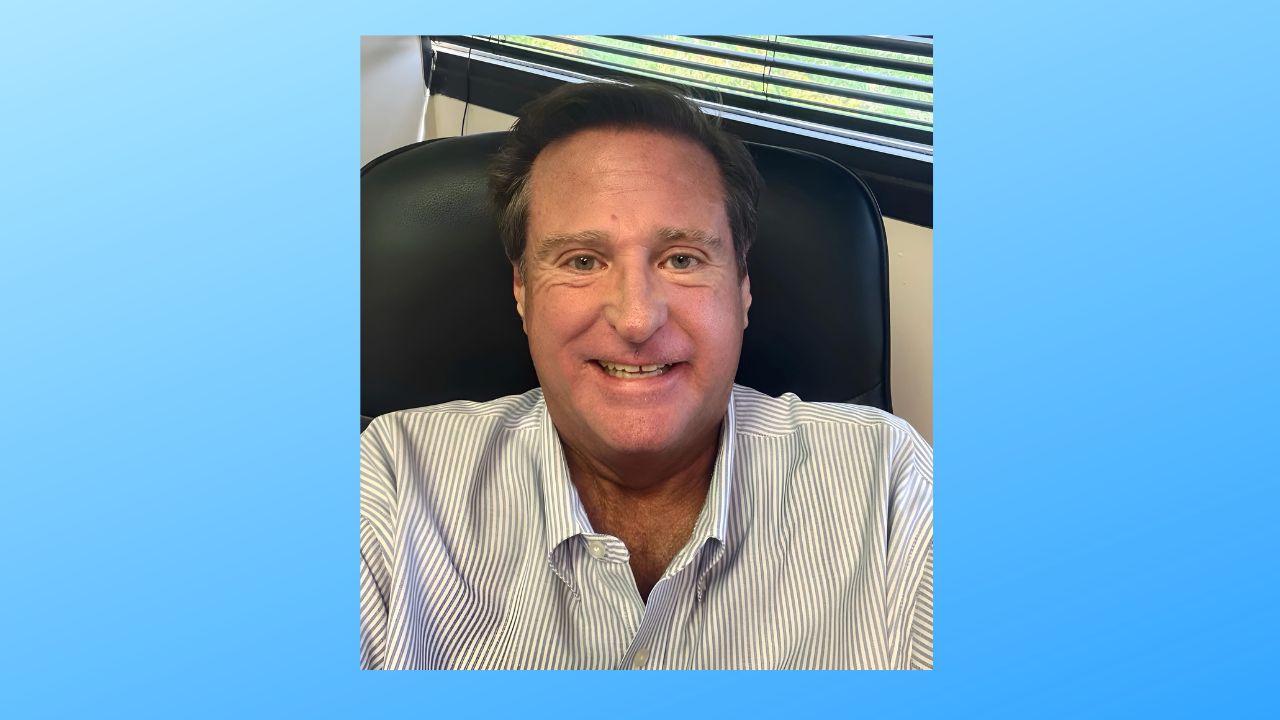
JC Bowman is originally from Cleveland, Tennessee, and now lives in Nashville.