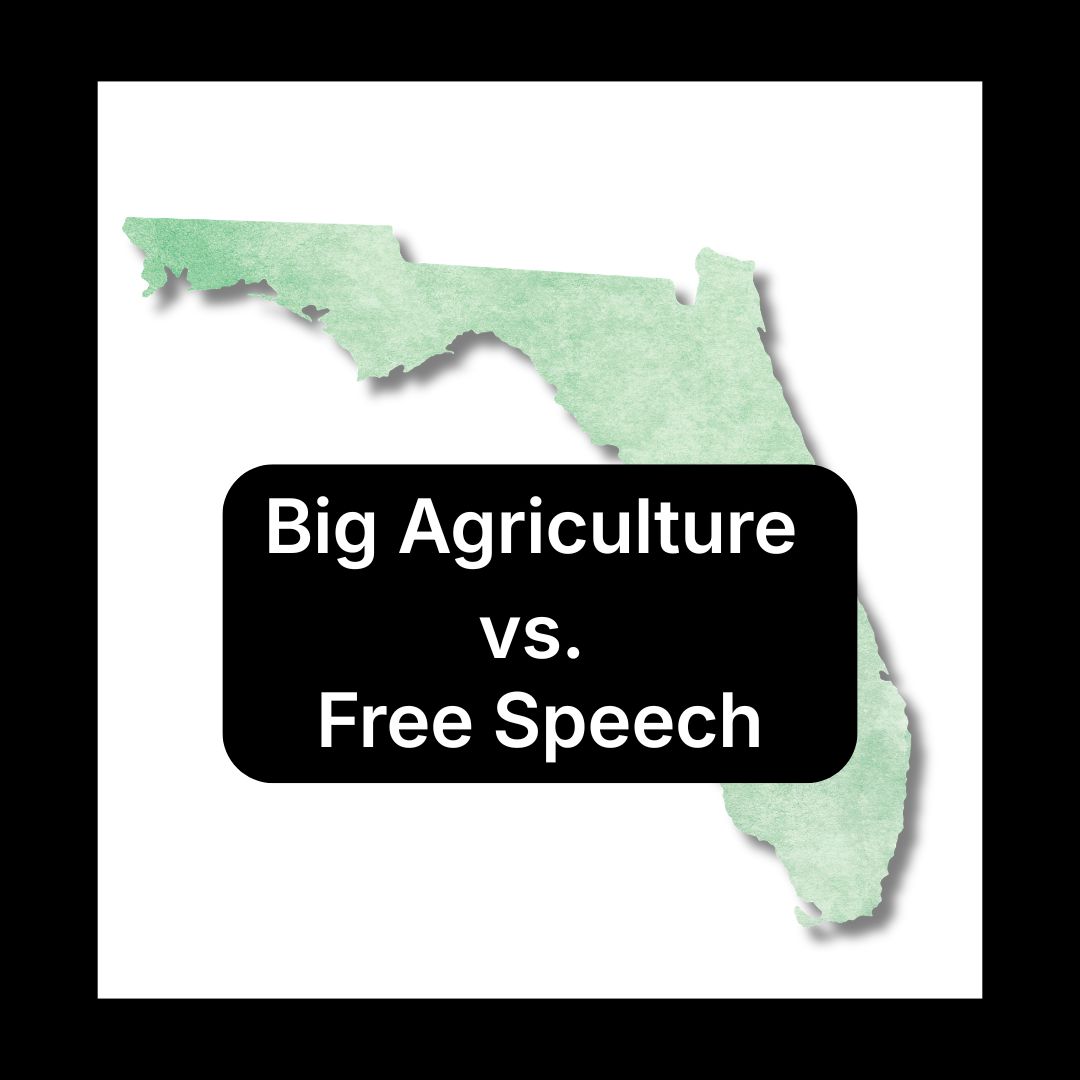
Here’s something that should shock you…Florida legislators, funded by contributions from Big Agriculture (including the powerful sugar lobbyists in the Sunshine State), are trying to ban individuals, parents, scientists, doctors, and others from telling the truth about sugar. But it’s not limited to sugar alone!
A bill is currently being pushed that could make it illegal to say negative things about sugar, even if they are true. It’s not because the information is false, it’s because a powerful industry doesn’t like criticism. And they have the money ( and powerful lobbyists) to force their will on the citizens of Florida! Could Tennessee be next?
The Florida bill quietly expands protection to ALL agricultural products, including sugar. It even adds “any agricultural practice used in production,” meaning criticism of pesticides, insecticides, and water contamination could lead to lawsuits against those who dare to speak uncomfortable truths.
If this bill passes, a powerful company could sue you for talking about the dangers of sugar or pesticides, even if you are speaking the truth. It would allow ultra-processed food companies and chemical companies to operate without accountability, ultimately affecting public health.
This Florida bill (HB 433/SB 290) expands “food disparagement” laws to cover sugar + all farming practices (pesticides, burning fields, etc.). Even truthful criticism could trigger lawsuits from Big Ag.
It’s not an outright speech ban, but a threat of litigation intended to chill and silence honest discussion about sugar’s metabolic damage or chemical risks — exactly when we need transparency most. Bankrupting critics is not a path to food safety or improved health!
A somewhat similar issue arose in Tennessee this year as Big Pesticide sought to protect itself from injuries and death caused by its products. The measure, which passed the Senate in 2025, would have provided legal immunity to pesticide manufacturers as long as their federally-approved label doesn’t warn of a disease. Roundup’s Environmental Protection Agency label doesn’t disclose that their product could cause cancer, meaning under this legislation, the company couldn’t be sued for causing the disease. Monsanto/Roundup funded a bevy of lobbyists pushing the bill, but it faltered in the House once the public became aware of what was happening.
Monsanto failed to win a bid for national immunity through the regulatory and legislative process, so they have turned their attention to a state by state strategy. Similar legislation has been rejected in Iowa, Missouri, Idaho, Wyoming and Mississippi, yet Monsanto didn’t pull products from shelves, even while facing more than 170,000 lawsuits, leading opponents to say the chemical maker is more concerned with increasing earnings than protecting people.


The Pamphleteer reported last year that Dr. Alexandra Muñoz, a molecular toxicologist who specializes in understanding how toxins cause cancer at the cellular level, testified against the bill in front of the House Judiciary Committee last Spring. “First, I want to make clear that the labels on many pesticides do not reflect the published, peer-reviewed scientific data,” Muñoz told the legislators. “Glyphosate is a carcinogen that causes cancer, and there’s substantial evidence to support that, not just one study. There are many studies, and I have sent you a report detailing these mechanisms. Bayer/Monsanto has consistently manipulated the system and knowingly submitted data to the EPA that doesn’t reflect the actual health harms of their products.”
Despite being pulled from consideration in Tennessee at present, the House bill could be revived before the end of this legislative session. Yet, more influential voices are speaking up in opposition to the legislation, including Country music star John Rich, the bill’s prospects appear increasingly uncertain.
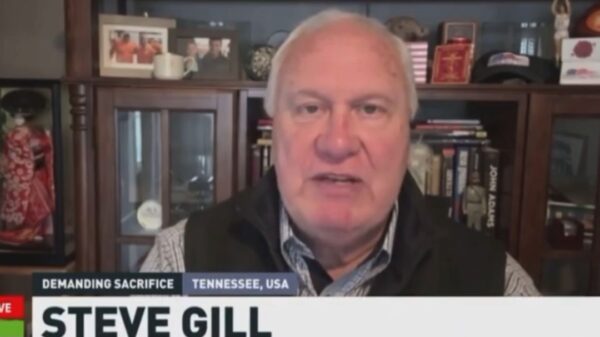
Steve Gill is editor and publisher of TriStar Daily.
Author