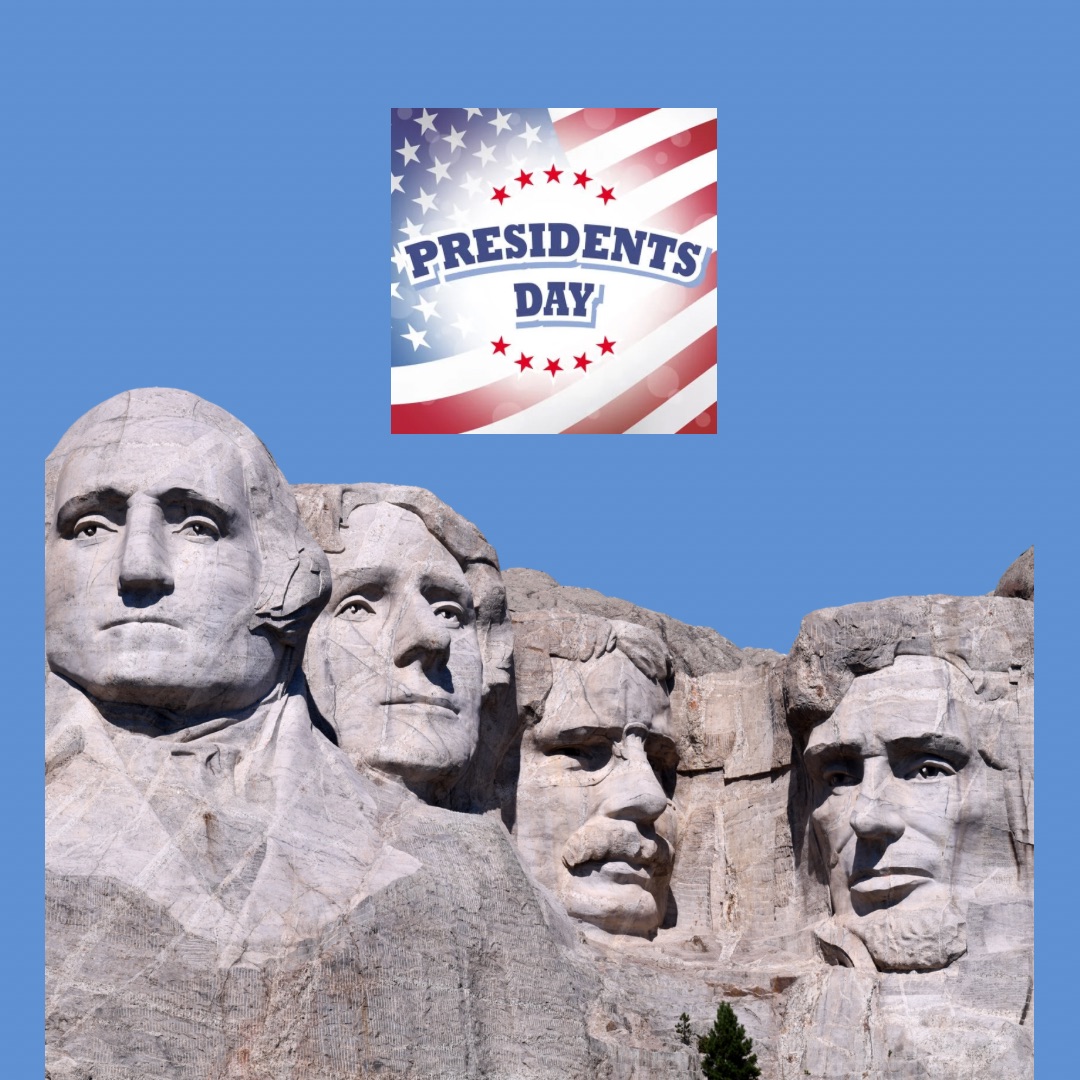
It’s President’s Day again—time for a national holiday that celebrates the folks who’ve sat in the most uncomfortable chair in the world — the one in the Oval Office. Initially a nod to George Washington, this day has morphed into a catch-all for anyone who’s ever occupied that seat, somewhat like applauding every contestant on a game show just because one of them won.
Let’s face it, the American story isn’t just about our commanders-in-chief; it’s about the regular folks who keep this grand experiment from crashing down. We’re talking about courage, character, and a resilience that makes you wonder how we’ve survived this long without a national nap time.
The political scene is shifting faster than a toddler with an ice cream cone. With new cultural values, tech advancements, and economic twists, we need innovative solutions that lift up everyday citizens rather than just catering to the elite. Think of it as a group project—without the usual suspects trying to take credit for all the work.
Presidents Day serves as a VIP pass for the executive branch while gleefully ignoring Congress and the courts. John Adams once quipped that one useless man is a shame, two is a law firm, and three or more is Congress. Ouch. Isn’t that the truth? The rivalry is as real as the University of Tennessee Volunteers versus the University of Alabama in October.
Let’s not pretend our presidents are exempt from the public’s gaze. Jimmy Carter, post-presidency, humorously noted that his popularity had skyrocketed: “It’s very nice when people wave at me; they use all their fingers.” That’s the kind of sarcasm that reminds us how quickly opinions can shift.
In today’s information overload age, the pedestal we used to place the presidency on is wobbling like a table with one leg shorter than the others. The respect traditionally afforded to the office seems to be fading faster than a politician’s promises after election day. Maintaining respect for the office, even when you don’t hold the individual in high regard, appears to be losing significance in modern discourse.
Historians often reinterpret our leaders through today’s lens. This can lead to what Michael Rosenbaum calls “intellectual harassment”—twisting facts to fit a narrative. It’s like spinning history until it resembles something out of a dystopian novel. Discussions about race, ethnicity, and belief systems of various presidents are scrutinized, often forgetting that they were human beings too, with all the flaws and foibles that come with being alive.
Lyndon Johnson had it right: the presidency elevates the ordinary, but nobody’s ever truly ready for the job. It’s on-the-job training that even the best candidates can’t fully prepare for. You don’t wake up one day with a presidential diploma hanging on your wall.


So this President’s Day, let’s hit pause on the political vitriol and remember that every elected official deserves basic respect. As Herbert Hoover pointed out, being a public servant is noble—let’s honor that idea as we engage with our leaders. Well, at least give it the old college try.
If you find yourself near the National Portrait Gallery, take a moment to glance at the portraits of all those presidents. The U.S. Marine Band might be there, playing “Hail to the Chief” like a well-oiled machine—a tradition dating back to Andrew Jackson’s days.
This holiday isn’t just about recognizing leaders; it’s about reflecting on our collective journey as a nation. Let’s appreciate where we’ve come from and aim for something better—because that’s what being American is all about.
Author