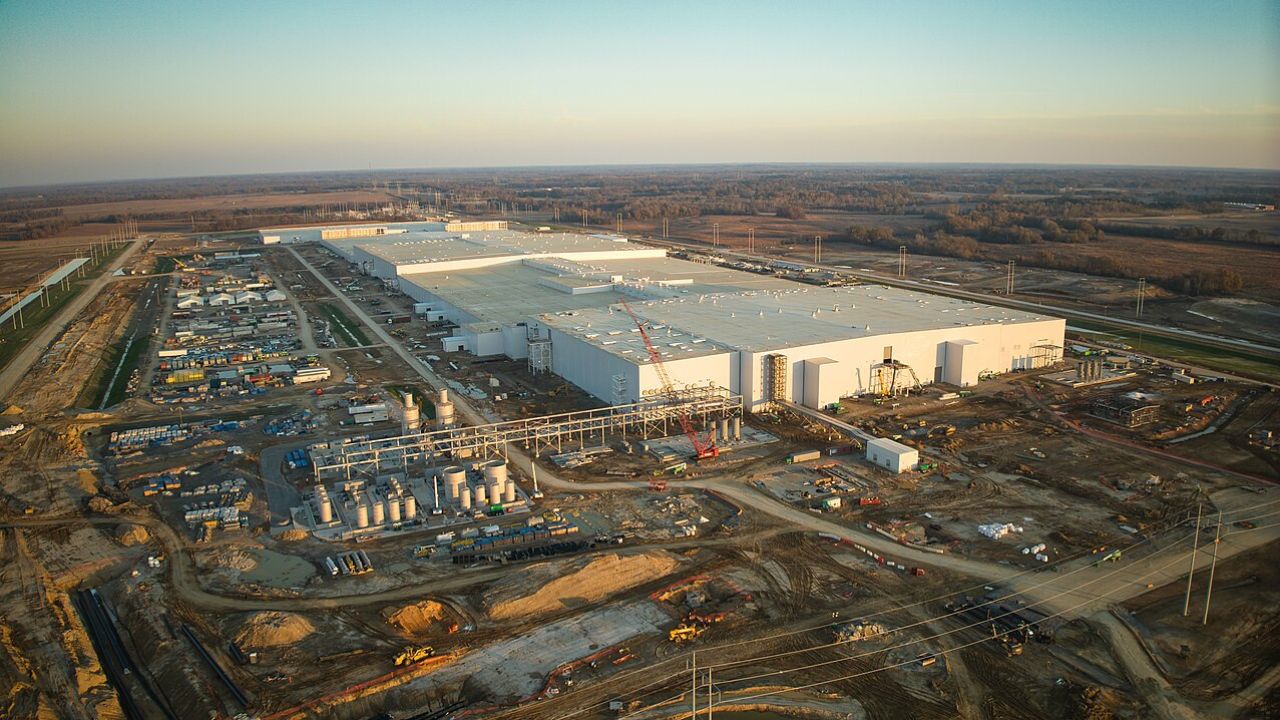

BlueOval City was never just another economic development project. When Ford and SK Innovation announced plans in 2021 for a $5.6 billion electric vehicle mega-campus in West Tennessee, state leaders promoted it as the largest private investment in Tennessee history. 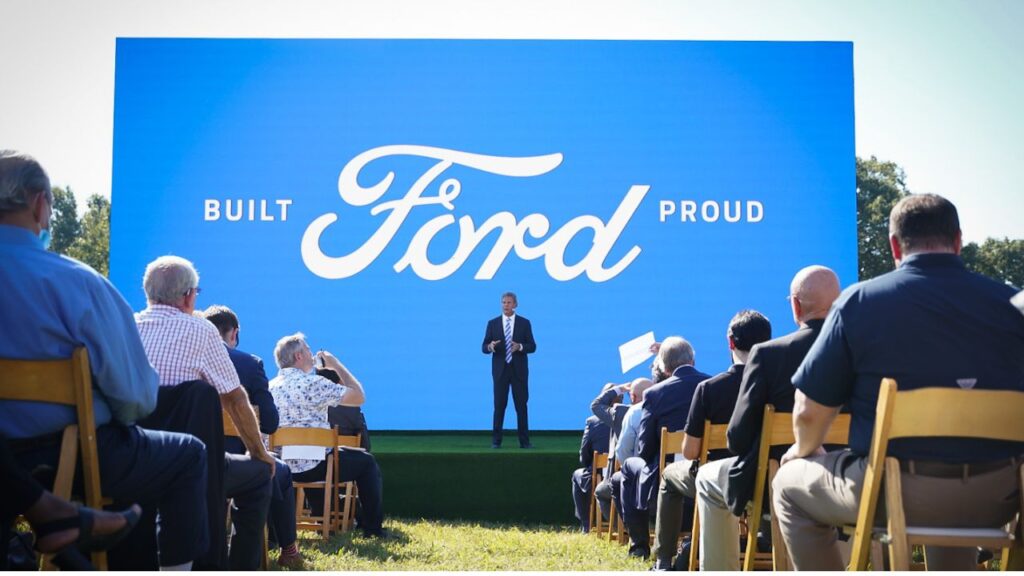
The project promised 5,800 direct jobs and the transformation of the Memphis Regional Megasite near Stanton. Tennessee taxpayers made a substantial investment in that promise. Some were skeptical.

The General Assembly approved an $884 million incentive package, including a $500 million capital grant, infrastructure improvements and workforce investments. Has that turned out to be the good investment we were promised?
Nobody should root against BlueOval City. West Tennessee needs good jobs and economic investment. But taxpayers deserve an honest accounting of what has changed.
And a lot has changed.
The original vision was clear: Ford and SK would build a vertically integrated campus producing next-generation electric F-Series trucks and batteries. Production was scheduled for 2025. Ford later said the plant could eventually produce 500,000 electric trucks annually.
That is no longer the project being built. Ford now calls the assembly facility the Tennessee Truck Plant. Approximately 2,300 Ford employees are expected to manufacture new gas-powered “Built Ford Tough” trucks beginning in 2029.
The original electric truck is gone. The 500,000-EV annual production target is gone. Vehicle production has been delayed four years. Ford and SK On have also dissolved their BlueOval SK joint venture, with SK On taking ownership of the Tennessee battery operation. Layoffs were announced in March.


None of this means BlueOval City will fail. Automobile markets change. Consumer demand changes. Companies must adapt.
Government should recognize economic reality rather than demand that a company manufacture a product consumers do not want simply because politicians held a press conference five years earlier.

But flexibility must work both ways.
If taxpayers are expected to accept a substantially different project, state government owes them a substantially updated accounting. Perhaps Stuart McWhorter and Bill Lee would be willing to give an accounting of Tennessee taxpayer dollars.
Remember the projections.
In 2021, Tennessee estimated the project would support 27,000 direct, indirect and induced jobs, generate $1.02 billion in annual earnings, contribute $3.5 billion annually to Tennessee’s economy and produce $22.4 million in annual state tax revenue. By 2023, state officials were talking about 30,000 jobs across West Tennessee.
Then came population projections.
A regional study projected West Tennessee could add 176,341 residents by 2045. Researchers described the scenario as “moderately aggressive.” Before BlueOval City, the Tennessee State Data Center had projected growth of only about 60,000 residents.


Perhaps the larger projection will prove correct. But assumptions built around a plant opening in 2025 and eventually producing 500,000 electric trucks annually should not automatically survive when production has moved to 2029 and the product itself has changed.
Recalculate them and explain the change. And if appropriate, reduce the taxpayer contribution for a project that is producing less than promised.
Professional Educators of Tennessee executive director believes the same reassessment should occur in education and workforce development.
Bowman points out “Tennessee committed $40 million toward a Tennessee College of Applied Technology facility at BlueOval City. Local schools, colleges and workforce agencies have spent years preparing Tennesseans for the jobs state leaders said were coming.” Then he asks, “when assumptions are wrong, do we just change course again?” He added, “we should not train young Tennesseans for yesterday’s version of tomorrow’s economy.”
It is true, those investments can still pay dividends. Advanced manufacturing skills are transferable, and West Tennessee needs stronger connections among K–12 schools, technical colleges and employers.
But the workforce strategy should change when the workforce changes.
What occupations will Ford and SK On actually need? How many workers will they need? Which credentials will those workers require? Are TCAT programs aligned with those jobs? Are local high school career and technical education programs preparing students for positions that will actually exist? Workforce development should follow jobs—not press releases.
The same principle applies to taxpayer incentives. Tennessee made public investments based on measurable assumptions; when those assumptions change materially, government should rebaseline the project and disclose the new numbers.
Tennessee should publicly explain how much state and local government has spent, what Ford and its partners have received, which investment and employment commitments remain enforceable, when those benchmarks must be reached and what clawback provisions apply if they are not. Lee and McWhorter owe a full and complete explanation. And in the midst of the current Governor’s race, candidate should also weigh in.
That isn’t anti-Ford. It is basic taxpayer accountability.
BlueOval City may still become one of Tennessee’s most important manufacturing investments. Ford, SK On and suppliers still plan thousands of jobs. We should and do want them to succeed.
But Tennessee made extraordinary public commitments based on a particular project, production schedule and economic vision. When those assumptions materially change, government has an obligation to revisit them in an honest and transparent manner.
BlueOval City doesn’t need another ribbon cutting or another press release. It needs an updated scoreboard.
Tell taxpayers what was promised, what has been spent, what has changed, what remains contractually required and when Tennessee can reasonably expect the jobs and economic activity it helped finance.
And tell students and educators whether the workforce Tennessee has spent years preparing for is still the workforce BlueOval City will need. Economic development requires patience. Public accountability should not.
Steve Gill is editor and publisher of TriStar Daily.