
Schools depend on authority. Boards govern. Administrators manage. Principals lead. Teachers teach. Students are expected to respect the adults responsible for their education and safety.
But authority has limits.
Abuse of power occurs when someone uses a position of authority to control, intimidate, manipulate, or harm people with less influence. In K–12 education, it can appear at almost every level—from school boards and central offices to principals, teachers, and even students using status or physical power against their peers.
The most extreme cases still happen. When they do, they damage careers, relationships, schools, and public trust.


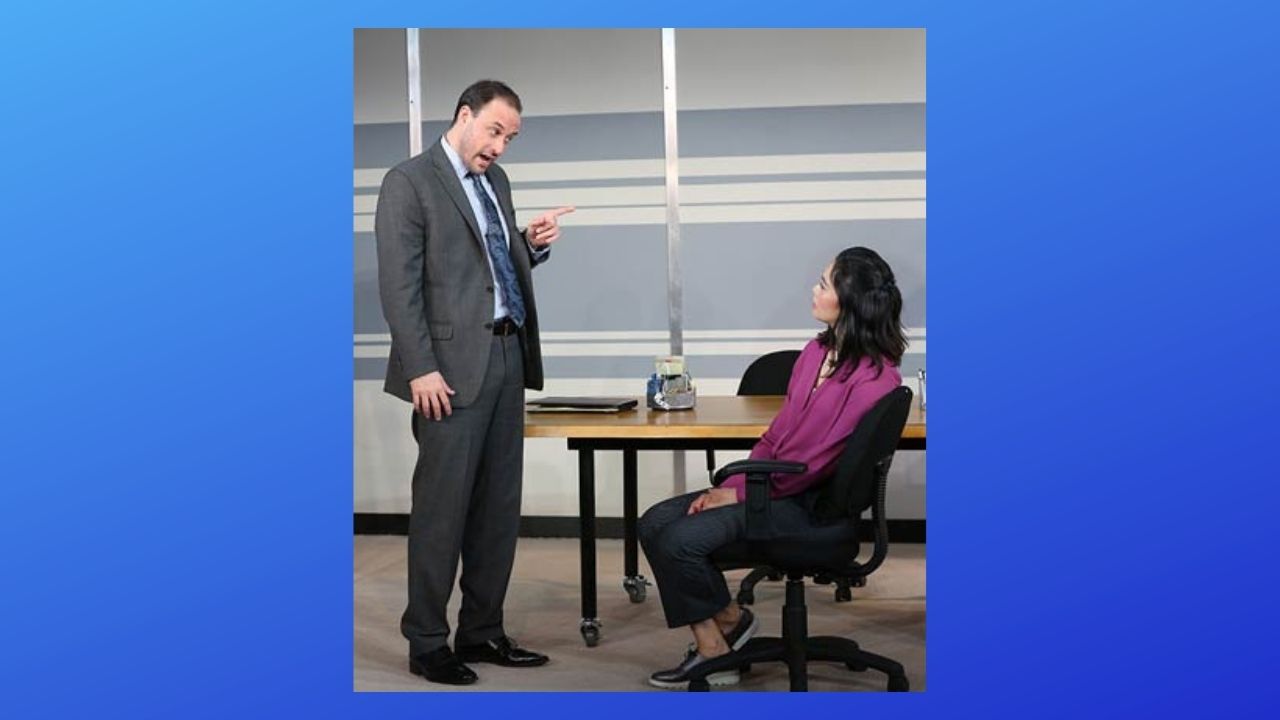
The forms vary. An administrator threatens to take away a job because an employee disagrees. A supervisor uses retaliatory evaluations to silence criticism. A leader publicly humiliates someone to show who is in charge. A board member uses political influence to punish a challenge. Students intimidate peers. The common thread is not disagreement. It is the misuse of authority.

Healthy leaders do not require total obedience. They understand that disagreement can be useful. They welcome questions, listen to criticism, and distinguish accountability from personal retaliation.


Abusive leaders often do the opposite. They demand unquestioning loyalty, treat dissent as disloyalty, dismiss the harm they cause, and use fear to keep control. Insecurity, ambition, or an effort to hide weakness may drive the behavior. None of that excuses it.
A title is not a license to intimidate. Leadership is not measured by how many people are afraid to challenge you. The best school leaders understand a simple principle: authority is entrusted, not owned.
We should also be careful not to confuse strong leadership with abuse. Holding people accountable for poor performance is not abuse. Enforcing reasonable rules is not abuse. Disagreement with a decision is not, by itself, evidence of mistreatment.
The test is whether authority is being exercised fairly, lawfully, consistently, and for a legitimate educational purpose—or whether it is being used to settle scores, silence dissent, protect egos, or maintain control.
We see it happen regularly. Nobody seems willing to confront those who abuse their power to hurt others. As a result, it fosters a learned behavior and creates an unhealthy environment for all of us.
Schools teach children that power should be used responsibly. The adults in those schools should follow the same lesson. Good leaders use authority to serve, not to intimidate.
JC Bowman is the executive director of Professional Educators of Tennessee. He is a contributing editor to TriStar Daily.