By: Scottie Hughes, Contributing Writer
As television cameras focus once again on clashes between protesters and law enforcement, the public is being drawn into a familiar cycle of outrage, spectacle, and selective attention. But behind the noise and increasingly crude rhetoric lies a far more serious story that has quietly slipped from view.
Just two weeks ago, the Somali daycare funding scandal came to light. Investigators raised serious concerns about failures in state oversight, questionable reimbursements, and accountability in taxpayer-funded childcare programs tied to Somali-run organizations. The political fallout was immediate and severe. Within days, the Governor announced he would not seek reelection.
That alone should have kept the story front and center.
Instead, coverage has pivoted almost entirely to protest activity — protests that critics argue are being exaggerated in scale and significance, while behavior on display raises uncomfortable questions about standards the media appears willing to excuse.
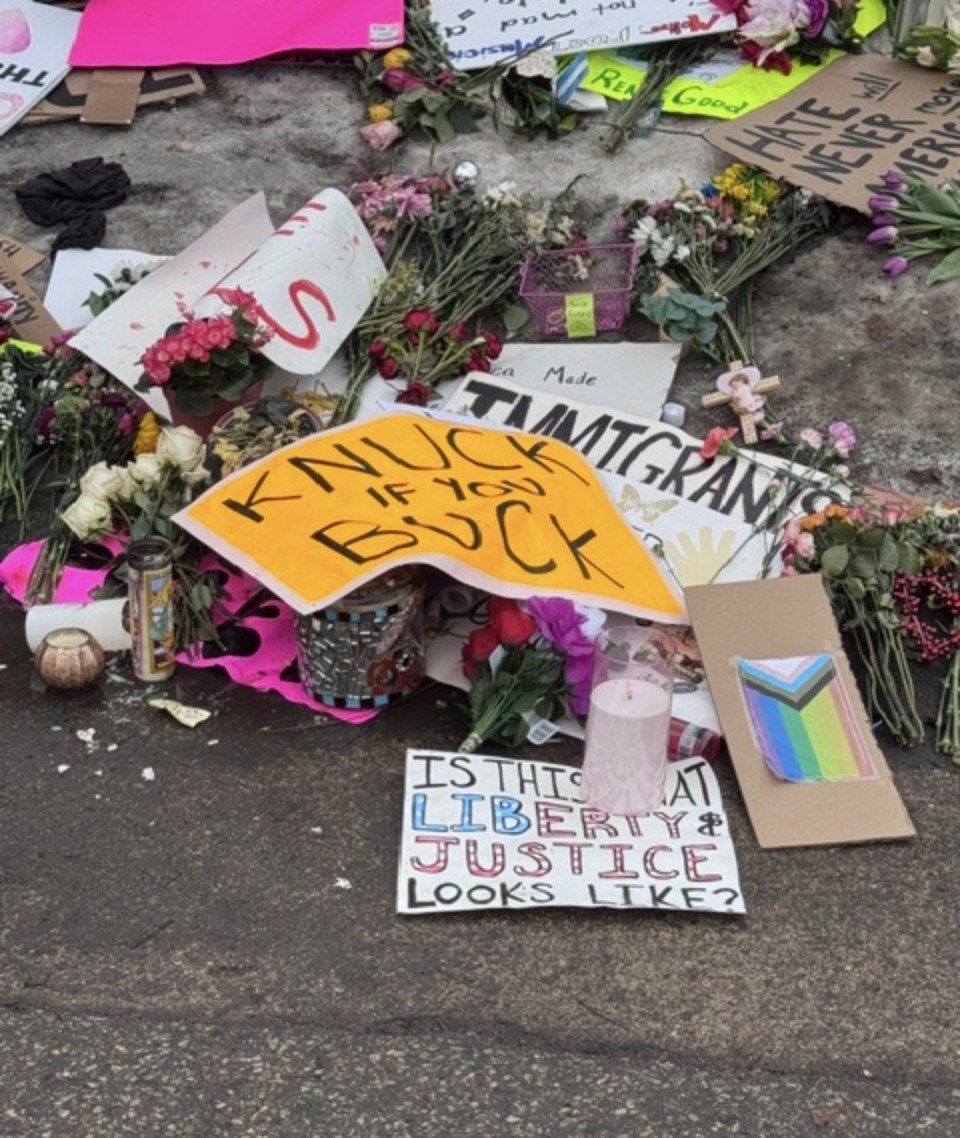
These demonstrations were billed as peaceful, daytime protests. Yet witnesses and video from the scene show something far different: protesters shouting profanities, screaming obscenities in public spaces, and directing explicit verbal abuse at law enforcement officers — including chants telling officers to “go kill yourself.”
That language is not protest. It is harassment.
And it is particularly striking given the timing and tone. These were not late-night riots or spontaneous eruptions. These were organized, daytime gatherings where vulgarity, hostility, and verbal degradation were broadcast openly, often with little critical commentary from the same media outlets quick to condemn similar conduct in other contexts.
This community, history shows, knows how to protest at scale when it chooses to. The George Floyd riots were unmistakable: mass mobilization, sustained unrest, widespread destruction, looting, and lasting damage to neighborhoods and businesses. No one needed dramatic framing to understand the magnitude; it spoke for itself.
What we are seeing now is not that.
Yet the coverage suggests otherwise. A limited number of confrontations are replayed endlessly, stripped of context, inflated through repetition, and presented as a defining crisis — all while a corruption scandal involving public funds and vulnerable children fades into the background.
This is the anatomy of distraction.
Conflict makes for compelling visuals. Vulgar chants and confrontations generate clicks. Accountability, on the other hand, requires persistence, follow-up, and a willingness to stay on an uncomfortable story long after the cameras move on.
Conservatives have long warned that selective media outrage corrodes public trust. When obscenity-laced harassment of police is minimized or normalized while institutional failure involving millions in taxpayer dollars is quietly shelved, the priorities become clear.
No one is arguing that protests should be ignored. But when vulgarity replaces substance, and spectacle replaces scrutiny, the public loses something far more valuable than a news cycle: confidence that the media is committed to truth rather than theater.
The daycare funding scandal has not been resolved. Questions remain unanswered. Oversight failures have not been fully explained. And no number of shouted obscenities or protest footage should shield those responsible from accountability.
Distractions are loud. Corruption is quieter but far more damaging.
The public should not be fooled by the noise. Or the fact that the same protesters trashing the city this week will be protesting in favor of a clean environment next week.
Scottie Hughes is a regular contributor for TriStar Daily. She is currently reporting from Minneapolis, Minnesota in the midst of the anti-ICE protests.


Author