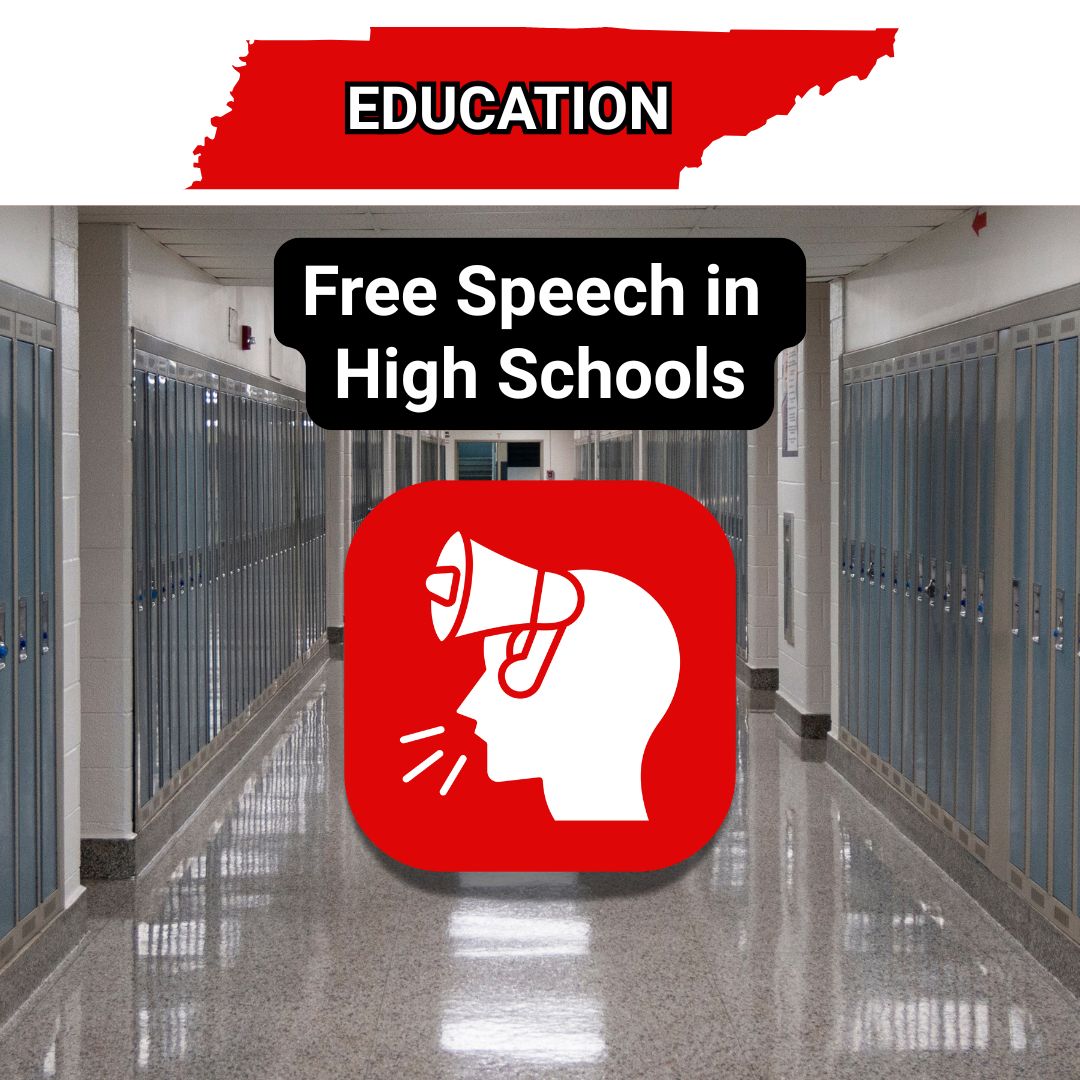
The Supreme Court has clarified the First Amendment rights of high school students through four significant cases. These rulings illustrate the balance between students’ rights and the schools’ need for order. High school students do have rights, but these rights are not as extensive as those of college students. While there are similarities between the two, college students enjoy more freedom, whereas high school students face many more restrictions. Here are the important cases:
1. Tinker v. Des Moines (1969). The important case of Tinker v. Des Moines Independent Community School District established that students still have their constitutional rights at school. The Court held that schools may limit speech only if they reasonably expect a serious disruption. A few students wearing black armbands are unlikely to cause serious disruption. This ruling protects symbolic speech under the First Amendment, emphasizing that the fear of disturbance cannot justify stopping expression.
2. Bethel School District v. Fraser (1986). Matthew Fraser’s case illustrates the complexities of student speech. He delivered a speech laced with sexual innuendos at a school assembly and faced suspension. The Court upheld the disciplinary action, reasoning that schools have a vested interest in fostering an atmosphere of civility. While students possess rights, those rights do not extend to lewd or vulgar speech in educational settings. Thus, one must consider the appropriateness of their expression, particularly when it veers into the territory of indecency.
3. Hazelwood v. Kuhlmeier (1988). In this case, the Court ruled that a principal can decide what gets published in a student newspaper. This decision showed that schools can regulate school-sponsored activities where students express themselves, as long as the rules serve educational purposes. For instance, the principal removed articles about sensitive topics like teen pregnancy and divorce because they did not align with the school’s mission. This raises questions about how much freedom students really have in schools.
4. Morse v. Frederick (2007). In the case of Morse v. Frederick, the Court decided that schools can limit speech that encourages illegal drug use. Joseph Frederick displayed a sign reading “Bong Hits 4 Jesus” at a school event, which led to his suspension. This case shows that public high schools are not places for promoting such messages. While students do have some rights, they do not include advocating illegal activities.
The implications of these rulings are that high school officials have greater authority to regulate student expression than university officials. As a result, students often find themselves navigating complex rules surrounding speech, which can feel like walking a tightrope; expressing opinions may lead to serious consequences. Schools should strive to promote responsible speech while avoiding censorship that stifles important discussions.


As states continue to either enhance or restrict protections for student speech, the legal landscape becomes increasingly complex. High school students have certain rights, but they are not recognized in the same way as those of adults. Schools must provide evidence that a disruption is occurring or likely to occur to limit student speech. We would welcome guidance from Tennessee Attorney General Jonathan Skrmetti on this matter, as we are seeing protests and free-speech issues escalate statewide.
JC Bowman is the executive director of Professional Educators of Tennessee and Contributing Editor of TriStar Daily.
Author