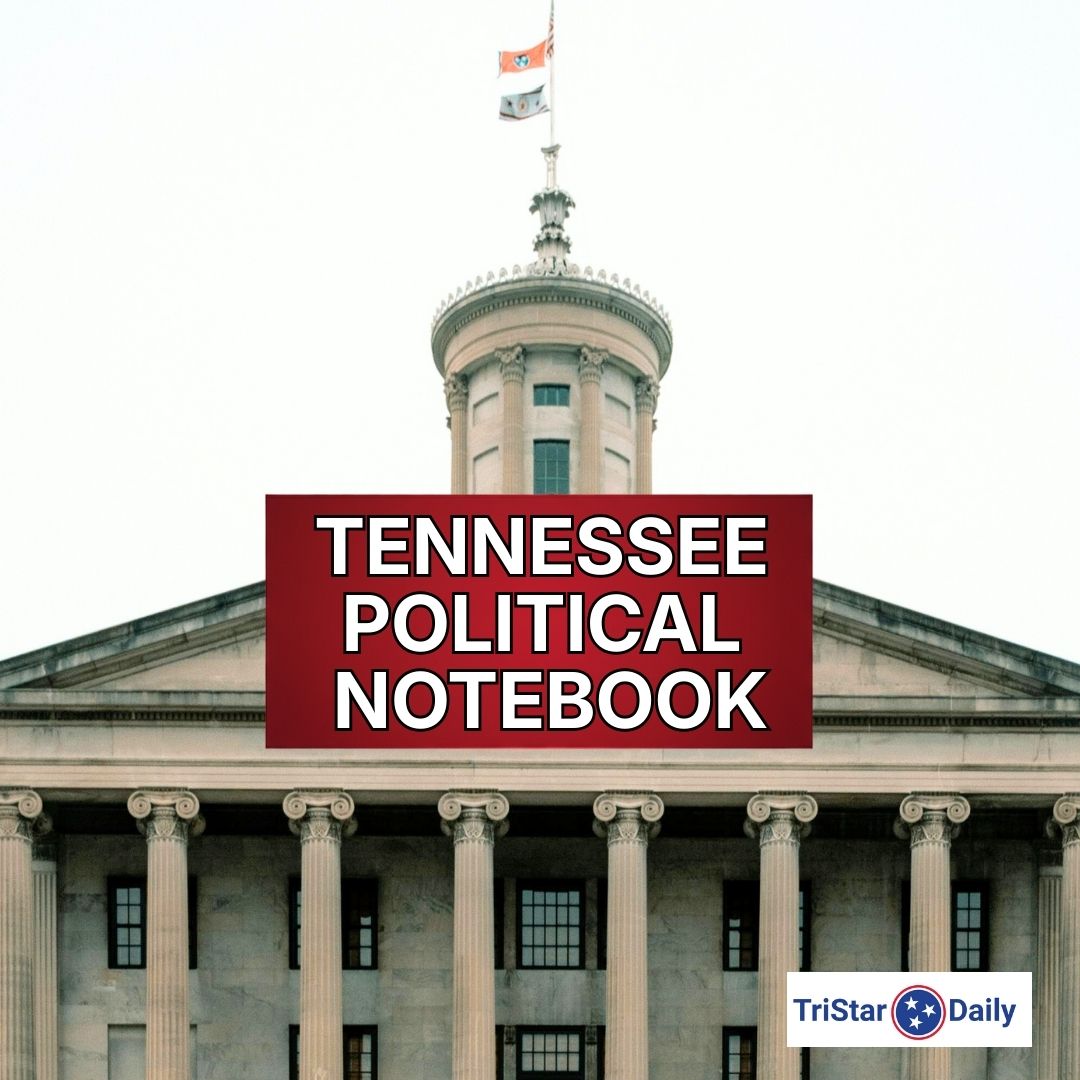

With all of the issues facing Tennessee: extending summer food programs for kids, cleaning up the mess at DCS, broken schools in Memphis, costly illegal immigration, high property taxes, rural healthcare and more, it is good to know that the legislature is focused on what really matters! How to reference the volatile and chaotic West Bank in the Middle East! Not the middle of East Tennessee. The actual Middle East.

The Tennessee legislature has voted to officially ban the term “West Bank” in reference to that territory in official state documents; opting instead for “Judea and Samaria”, the terms more commonly used in the Bible. Governor Bill Lee, fresh off of declaring June “Nuclear Family Month” (which has nothing to do with Iran’s nuclear weapons program or missing “dust”) is expected to sign the bill this week.
It is not clear exactly how often Tennessee documents “officially” reference that region, but it’s good to know our elected officials are focused on the really important stuff as they get ready to adjourn by next Friday. Is it too late to get legislation passed to require references to Alabama to use the more acceptable term Alabamastan?


FEEDING THE KIDS…NEXT SUMMER.
Tennessee lawmakers lawmakers did find the time to pass funding that will allow the state to resume participation in a federal program that helped feed 700,000 low-income kids during the summer months. Just not THIS summer. Gov. Bill Lee opted out of the federal program in 2024 citing the administrative costs of $5-7 million to participate. With this one year budget, the state will resume the program next summer.
In the past, Tennessee distributed $84 million in federal dollars to families with children while school is out.


Maybe Lee should sign a resolution designating June July and August as “Tennessee Kids Go Hungry Months”. Good for the legislature for ignoring the Governor’s “leadership” in this case, even if it was a bit late in the game.
VOUCHER EXPANSION HEADS TO GOVERNOR’S DESK.
15,000 more students in Tennessee will be eligible to receive the $7300 per student vouchers after the House and Senate reached agreement this past week. As a result, 35,000 will now be able to receive the funds.
The final votes were narrow, despite millions of dollars in advocate spending to shove it through. There is still absolutely zero evidence that the program is producing increased academic achievement by students receiving the funds. And it appears that the overwhelming majority of the funds are continuing to go to those who are already enrolled in private schools. There was a pretty serious shift away from the program among rural Republican legislators who recognized it virtually none of the program’s $350 million in spending flows into their districts. The question is whether or not the issue will play at all in primary or general elections this year.
Steve Gill is Publisher, an editor of TriStar Daily.