
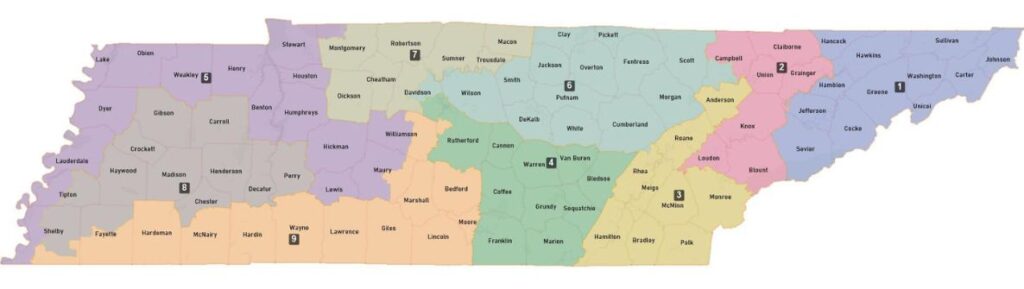
State Representative Justin Pearson has kicked off his campaign for Congress in the newly mapped 9th District that runs from Memphis to Brentwood and travels through a number of rural counties on the state’s southern border. Although he doesn’t technically reside in the district, the fact that he lives in Shelby County, which is part of the new district, allows him to run in the ninth.
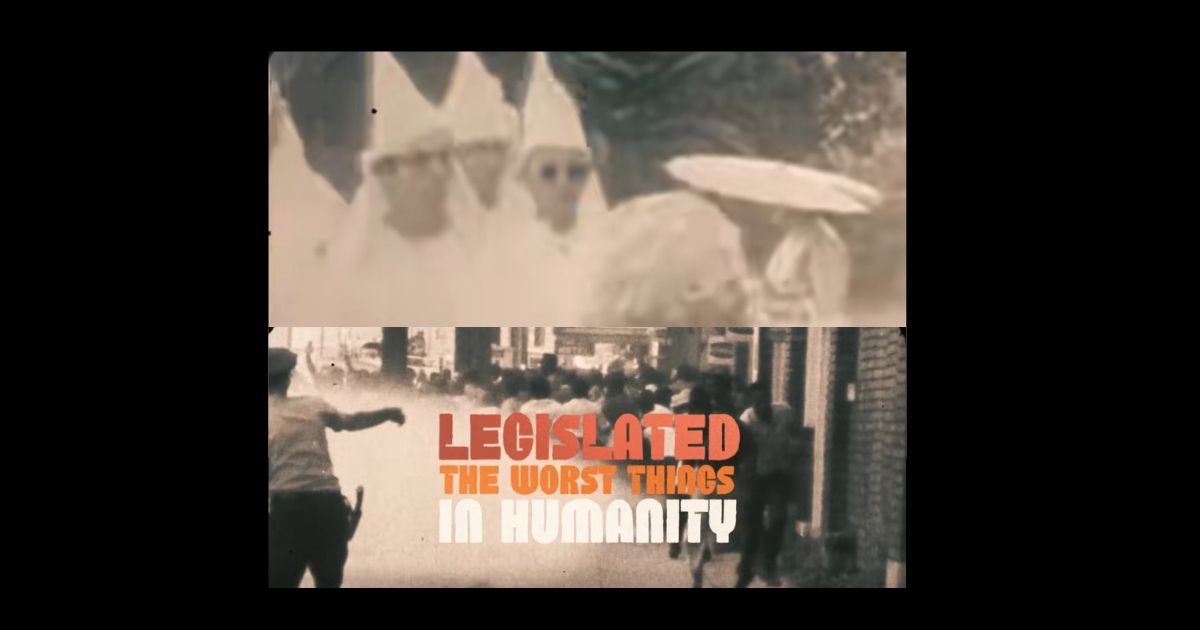
His angry, vitriolic ad may play well in inner-city Memphis, which is largely excluded from the new district, but is unlikely to draw voters to his style and racist overtones in the rest of the district.


Part of his ad condemns the use of fire hoses against black protesters in Birmingham during the fight over civil rights in the 60s. First, those deploying the fire hoses and German shepherds were, of course, Democrats.

Second, Pearson decries the legacy of the Tennessee legislature toward black citizens and blames Republicans in Tennessee for the horrific images he uses in his ad. Apparently, his expensive private school education at Bowdoin University in Maine was limited in educating him about southern geography. Birmingham is in Alabama, not Tennessee, something most elementary students in Tennessee are aware of, but which apparently escapes Pearson.


He is also clearly historically ignorant of the fact that Republican Senate Minority Leader Everett Dirksen of Illinois broke the logjam of southern Democrats who were blocking the Civil Rights Act in the 60s. Dirksen was the father-in-law of Tennessee Senator Howard Baker, who served as Senate Majority Leader and ambassador to Japan during his long, illustrious career. Baker was the first Republican to be elected to the U.S. Senate in Tennessee since the Reconstruction Era.
Pearson’s ad also implies that blacks must live in constant fear of lynchings in Memphis, despite the fact that the last lynching in Memphis occurred in 1917, over 100 years ago.
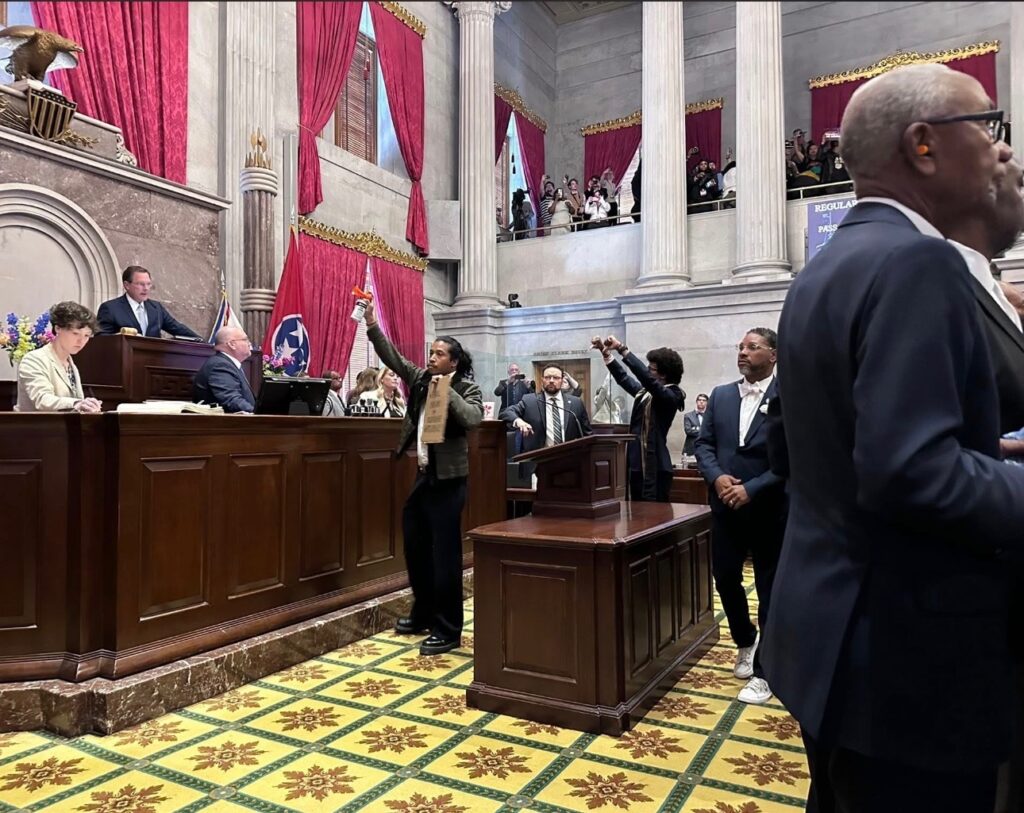
His ad is much more inciteful than insightful, but does give a good preview of what we can expect from the candidate who is always more focused on performance art than policy in the months ahead.