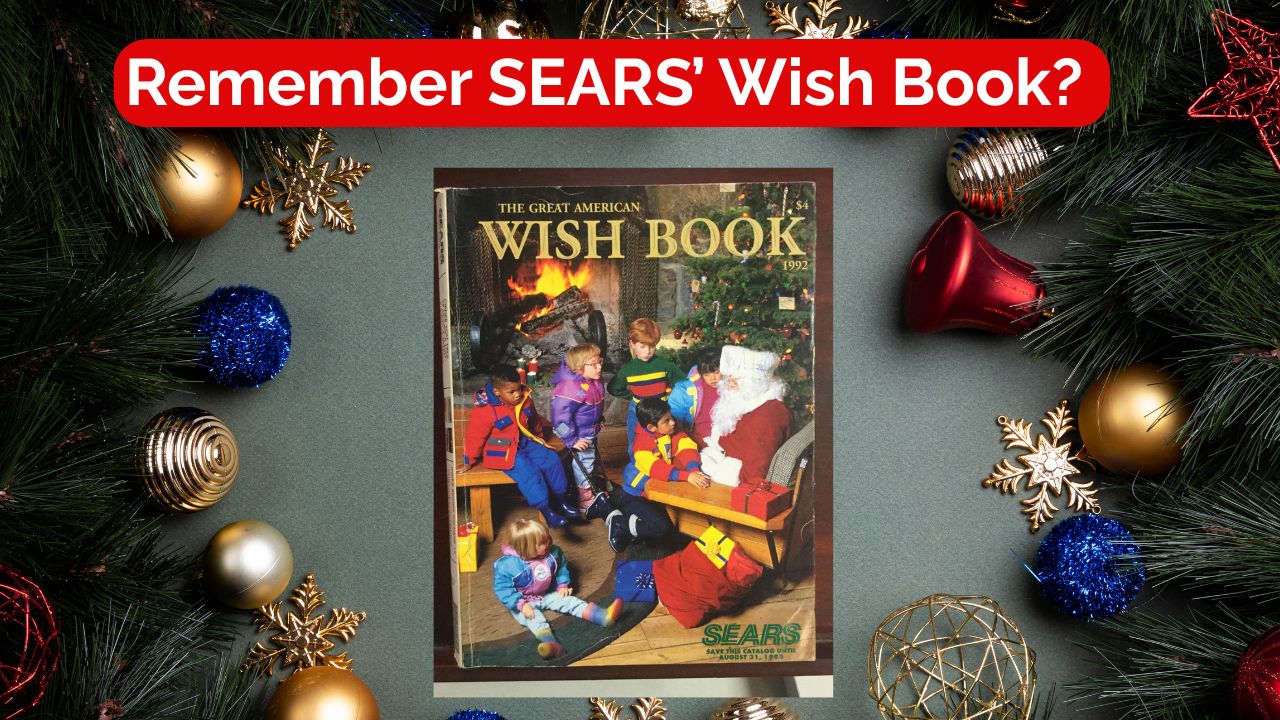
The Sears Christmas Wish Book began in 1933, during the depths of the Great Depression, when Sears, Roebuck and Co. recognized the lasting strength of hope and imagination during the holiday season. While Sears had already been producing massive general catalogs since the late 19th century, the Wish Book was conceived as a special seasonal edition devoted entirely to Christmas gifts. Its arrival in mailboxes across America transformed the catalog from a utilitarian shopping guide into a cultural event, eagerly anticipated by families and especially by children.
From its earliest editions, the Wish Book reflected the changing aspirations of American households. Early versions emphasized practical gifts alongside modest toys, paralleling the economic realities of the 1930s. As the nation recovered and consumer optimism increased, the catalog expanded in both size and spectacle. Full-color illustrations, elaborate toy spreads, and carefully staged holiday scenes helped turn the book into a fantasy world—one that allowed readers to imagine abundance even before they could afford it.
By the post–World War II era, the Sears Christmas Wish Book had become a defining symbol of the American holiday experience. The baby boom and suburban expansion fueled unprecedented demand for toys, appliances, and family-oriented products. Iconic items such as Lionel train sets, bicycles, dollhouses, and later televisions and stereos filled its glossy pages. For many children, the Wish Book was not just a catalog but a ritual—dog-eared, circled, and studied intensely as Christmas approached.
The Wish Book also served as a mirror of broader cultural and technological shifts. As new products entered American homes, they debuted prominently in its pages: space-themed toys during the Space Race, electronic games in the 1970s, and early home computers in the 1980s. Fashion trends, gender roles, and family ideals were all subtly communicated through its layouts and product descriptions, making the catalog an inadvertent historical record of American consumer culture.


Despite its enduring popularity, the Sears Christmas Wish Book faced growing challenges by the late 20th century. The rise of big-box retailers, specialty toy stores, and eventually e-commerce eroded the dominance of mail-order catalogs. Printing and mailing the massive books became increasingly costly, and Sears itself struggled to adapt to a rapidly changing retail landscape. The final traditional Wish Book was published in 1993, marking the end of a six-decade tradition.
In recent years, nostalgia has revived interest in the Sears Christmas Wish Book as a cultural artifact rather than a shopping tool. Digitized editions, coffee-table retrospectives, and limited revival projects have allowed new generations to experience its magic. Today, the Wish Book is remembered not merely for what it sold, but for how it shaped the collective imagination of Christmas—capturing a time when flipping pages and dreaming big were as much a part of the holiday as the gifts themselves.