Mark Twain once said, “There are three kinds of lies: lies, damned lies, and statistics,” a phrase he attributed to Benjamin Disraeli. This reminds us that statistics can be manipulated, often leading to conclusions that support a specific agenda. Some see this not as a critique of statistics themselves but as a warning about the potential for misinterpreting complex data. Another saying supports this idea: “Facts are stubborn things, but statistics are pliable.”
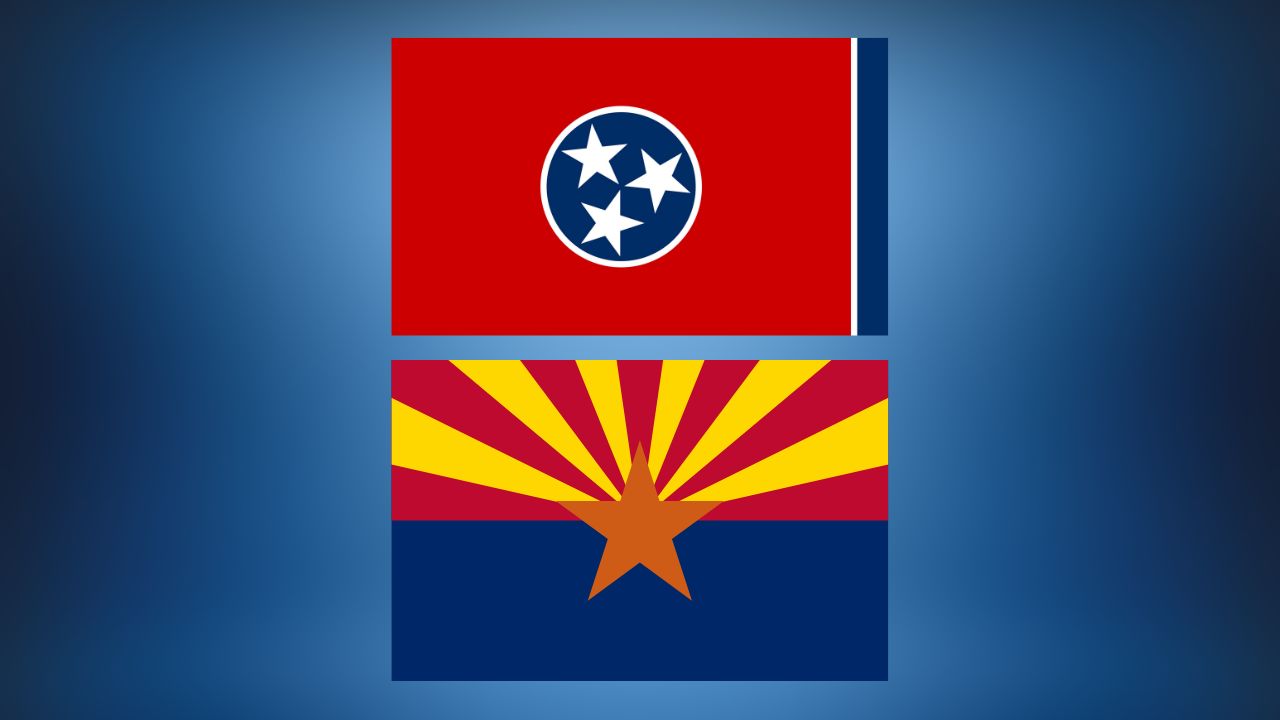
When we look at universal voucher programs, we see a landscape filled with advocacy disguising itself as research. Consider the voucher programs in Arizona and Florida, both of which are often promoted as successes. It’s essential to critically examine the data related to these initiatives—covering both the positives and the negatives. Tennessee is following their path when it comes to universal vouchers, so it makes sense to take a look ahead at where we may find our ourselves in just a few short years.
Let us first start with Arizona and examine some of the key statistics on student outcomes and funding impacts.
Supporters of the Arizona program may point out positive results, it is just as crucial to think about the broader effects and the context behind these statistics. The key question isn’t only if the numbers look good on paper, but what they mean for the educational system as a whole. In the end, it’s up to each person to analyze the data, find the truth in the noise, and make their own judgment.
Arizona Empowerment Scholarship Account
Arizona’s Empowerment Scholarship Account (ESA) program, often referred to as a universal voucher initiative, began as a targeted program in 2011 for students with disabilities and expanded incrementally to include foster children, military families, and others. In 2022, it became universal, making all K-12 students (and pre-K students with disabilities) eligible, regardless of income or prior public school attendance. This shift triggered explosive growth, far exceeding initial projections.
Key Enrollment and Cost Trends:
• 2021–22: 12,127 students enrolled; cost ~$189 million.
• 2022–23: 61,689 students (409% increase); cost $587.5 million (211% increase), representing 8.8% of the state’s $6.7 billion K-12 basic aid funding.
• 2023–24: ~72,428 students (17.4% increase); cost ~$718–$869 million.
• 2024–25: 98,244 students enrolled as of December 8, 2025; projected cost $822–$864 million.
• 2025–26 Projection: Over 90,000 students; cost approaching $1 billion.
About 71% of new participants since 2022 were not previously in public schools, adding direct costs rather than redirecting existing funds. Average awards are ~$7,000–$9,572 per student (higher for those with special needs), funded via the state’s general fund alongside public school allocations.
Impact on Arizona State Budget
The program’s rapid expansion has created significant fiscal pressure, contributing to multi-year budget shortfalls and forcing cuts to public services. Initial 2022 estimates pegged universal costs at $65 million annually, but actual costs quickly ballooned due to higher-than-expected uptake from families homeschooling or attending private schools (including affluent households). This has led to a “parallel education system” funded by taxpayers, with limited offsets from reduced public enrollment.
• Direct Costs: By FY 2025, the ESA accounts for ~5.5% of the Department of Education’s operating budget but has driven a net increase of $486–$601 per ESA student overpublic school funding (except when shifting from charters, saving ~$770–$860 per student).
• Budget Shortfalls: Arizona faced a $1.4 billion combined deficit in FY24–25, with vouchers responsible for ~$332 million in FY24 (vs. the $65 million projected) and ~$429 million in FY25—equaling half of FY24’s and two-thirds of FY25’s deficit.
This prompted cuts, including:
• $300,000 average reduction per public school.
• $54 million from community colleges.
• Air conditioning upgrades in prisons and pay raises for firefighters/state troopers.
• Broader Effects: The general fund draw has crowded out investments in public K-12 (e.g., no full-day kindergarten funding), disability services, and other priorities. Critics argue it’s unsustainable, potentially reaching $5 billion in similar programs elsewhere by 2030. Proponents claim per-student savings, but analyses show net costs due to new entrants.
Recent discussions highlight ongoing strain: In November 2024, fiscal watchdogs noted the program’s role in the budget meltdown, with costs exceeding budgets by hundreds of millions each year.
Academic Results
Data on ESA student outcomes remain limited and inconclusive, hampered by the program’s structure: unlike public schools, there’s no mandatory standardized testing, longitudinal tracking, or public reporting of performance metrics. Students must receive instruction in core subjects (reading/grammar, math, social studies, science) via private providers, homeschooling, or tutors. Still, accountability relies on parent affidavits and vendor approvals rather than state assessments.
Available Evidence:
• No statewide studies link ESA participation to improved test scores, graduation rates, or college readiness. The Arizona Education Progress Meter (which tracks proficiency goals) doesn’t include ESA data, leaving a “stunning lack of oversight” of outcomes.
• Early targeted ESAs (pre-2022, for disabled/low-income students) showed mixed results: some gains in special needs subgroups, but overall no broad academic uplift compared to public peers.
• Current universal cohort: ~91% growth from non-public students; low English learner participation (0.6% vs. 9.2% in public schools). Anecdotal reports praise flexibility (e.g., Montessori or online options), but concerns about fraud and waste (e.g., unapproved expenses) undermine efficacy claims.
• Calls for Reform: Critics are asking for additional tracking tied to state goals, as the program “sidesteps nearly every accountability measure” applied to districts and charters. Without it, it’s unclear if ESAs advance Arizona’s third-grade reading proficiency or workforce readiness targets.
While the ESA has empowered choice for ~100,000 students, its unchecked growth has strained budgets without proven academic gains, sparking bipartisan calls for tighter controls. Without the dramatically different pathway, Tennessee’s version of the Arizona voucher system will likely end up with the same budget, busting level of expense with similar mediocre academic gains. Those supporting failed examples of socialism around the world often claim that the problem is that it wasn’t done “right”. Advocates of Tennessee’s voucher system will probably make the same defense when we find ourselves in the same position as Arizona.
###


Steve Gill is editor and publisher of TriStar Daily. Coming soon: What has Florida spent and achieved with their voucher program?
Author